
Non-destructive testing businesses are awkward to insure because two very different risks sit inside the same company. The work is physical, it usually happens on somebody else’s site, and the deliverable is a professional opinion that other people rely on. A standard trades policy will miss half of that picture, and so will a professional services policy written for an office based firm.
Non-destructive testing, or NDT, assesses the structural integrity and performance of plant and equipment without causing damage. Because the equipment being tested often stays in service, the work happens inside live operations, which shapes both the physical exposure and the way insurers price the risk.
The two risk profiles inside one Non-destructive testing business
Underwriters look at an Non-Destructive Testing operation in two halves, and both need to be answered on the same policy schedule.
Site based exposure
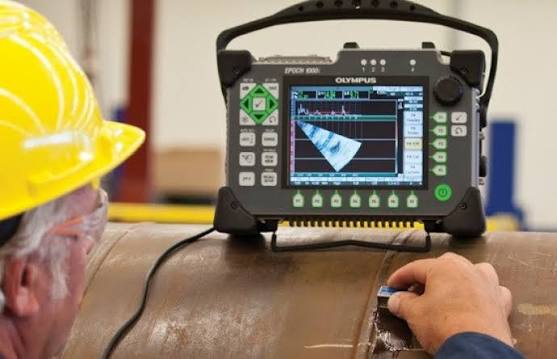
Technicians work on client premises, on plant that is running, and frequently alongside other contractors. That creates the chance of injury to your own people, injury to someone else’s people, and damage to property that does not belong to you. Testing equipment also moves constantly between sites, which adds a transit exposure to the mix.
The report and the sign off
The second exposure is the advice itself. Brokers who work in this class treat professional indemnity as the largest insurable exposure for an Non-destructive testing technician, and the reason is usually the interpretation gap. When a technician passes on results with little or no interpretation, or approves equipment as fully compliant, the financial consequence of getting that wrong can be far larger than anything a public liability claim would produce. A failed component that was signed off as sound can trigger costs that run well beyond the value of the testing job.
What an NDT insurance program normally includes
A testing contractor’s own published policy stack is a useful guide to what the market expects an Non-destructive testing business to carry. One testing group lists employers’ liability, public liability, product liability and professional indemnity on the same certificate, which reflects how these covers are usually bundled for the class.
Cover | What it is there for |
|---|---|
Public liability | Injury to third parties and damage to property that is not yours, including work performed at client sites |
Professional indemnity | Claims that your testing, reporting or sign off was wrong, incomplete or negligent |
Employers’ liability or cover for employees | Injury to your own staff, which public liability generally will not pick up |
Product liability | Claims connected to products or equipment that pass through your hands |
Not every Non-destructive testing business needs every line at the same limit. The right structure depends on what you actually do, where you do it, and who relies on the results. That is a conversation to have with a broker rather than a box to tick on a comparison site.
Public liability for NDT technicians
Public liability insurance can protect Non-destructive testing technicians while they are on site, and it can extend to cover the company’s employees for their work activities. Some specialist markets write limits of up to $10 million for bodily injury and property damage, with cover applying both on and off your premises, and some can extend to sales into the USA.
Two details matter more than the headline limit. The first is whether the policy is genuinely written for inspection and testing rather than general trades work. The second is whether subcontractors and labour hire crews are picked up, because NDT jobs are often delivered by a mix of employees and contractors. Both points need to be confirmed in writing before work starts, not after a claim lands.
Professional indemnity is where the big claims sit
Professional liability insurance for Non-destructive testing companies and technicians is designed to respond when a client brings a claim against you over the quality of your work or your advice. In practice, most of those claims trace back to one of two things: a defect that was missed, or a result that was reported without enough context for the client to understand what it meant.
How you word your reports has a direct effect on your risk. A clear scope, stated limitations, and an unambiguous statement of what was and was not tested make it much harder for a client to argue later that they were misled. A broker who understands the class should be asking to see a sample report before placing cover, because the wording of that report tells an underwriter more about the exposure than the turnover figure does.
The interpretation gap in plain terms
If your report gives raw results and no interpretation, the exposure sits more with the client. If it states that the equipment is compliant and fit for continued service, the exposure shifts back onto you. Neither approach is wrong, but they are not priced the same way, and insurers will want to know which one you take.
Cover for your own people
Injury to your own employees is generally not something public liability will respond to, which is why employers’ liability sits alongside it on a typical NDT policy schedule. The practical issue for testing businesses is the number of people who are not technically employees at all. Labour hire technicians, sole trader subcontractors and specialist crews brought in for a single shutdown all need to be considered, because gaps in this area tend to surface at the worst possible moment.

Where Non-Destructive Testing insurance gets complicated
Several features of the industry regularly cause problems at renewal.
Mixed turnover, where testing is bundled with other services such as inspection, maintenance or equipment supply, which can change how insurers classify the business.
Interstate and offshore work, including any exposure to overseas jurisdictions and to the United States.
Subcontractor arrangements, where responsibility for cover is often assumed rather than confirmed.
High value testing equipment that travels between sites and is sometimes left in vehicles overnight.
Claims history, because even a modest professional indemnity claim can affect the market’s appetite for the next few years.
Standards and industry membership help your position
Accreditation and industry involvement carry real weight during underwriting. ISO/IEC 17020:2012 sets out requirements for the competence of bodies performing inspection, and for the impartiality and consistency of their inspection activities. In Australia, the Australian Institute for NDT offers a range of member benefits and services to individuals, companies and government bodies that want to stay informed and involved in the industry.
Brokers close to the class also exist. Some intermediaries have held long standing membership of non-destructive management associations, which is a reasonable signal that they understand the work rather than simply writing another liability policy. When you are interviewing brokers, ask what proportion of their book sits in inspection and testing, and ask how they handle a professional indemnity claim once it has been lodged.
What to have ready before you ask for a quote
Good information gets a better result. Have your testing methods, turnover split, subcontractor arrangements, geographic spread, equipment values, accreditation status and any claims history in front of you before the conversation starts. Be ready to talk about how your reports are worded as well, because that detail separates an NDT business from a generic professional services risk, and it is the detail that often decides which market will take the risk on.
Frequently Asked Questions
Is professional indemnity the most important cover for an Non-Destructive Testing business?
It is usually the largest insurable exposure, because testing results and sign offs are relied on by clients and can lead to expensive failures. Public liability answers a different set of claims, such as injury or property damage on site. Most NDT businesses need both, plus cover for their own employees and subcontractors.
Can public liability cover Non-Destructive Testing technicians working away from my premises?
Yes. Public liability can protect technicians while they are on site, and cover can extend to your employees and to operations both on and off your premises. Limits and conditions vary between insurers, so confirm the exact wording with your broker before you commit to a project or sign a client contract.
Do I need separate cover for subcontractors?
Often yes, or at least you need to confirm who is covered for what. Many NDT businesses rely on subcontractors, and injury to a subcontractor or a claim about their work may fall outside your standard policies. Ask your broker to review your subcontractor arrangements and any client agreements that require you to hold cover.
What information does a broker need to quote Non-Destructive Testing insurance?
Expect to provide your testing methods, a breakdown of turnover, the split between employees and subcontractors, where you work, equipment values, accreditation details, sample reports and any claims history. The more precisely you can describe the work and how results are reported, the more accurate and competitive the quote is likely to be.
Does industry accreditation reduce my premium?
It can help. Accreditation under ISO/IEC 17020:2012 speaks to competence, impartiality and consistency in inspection activities, and insurers look favourably on documented systems. Membership of an industry body such as the Australian Institute for NDT also demonstrates professional engagement. Neither guarantees a lower premium, but both make the underwriting conversation noticeably easier.