
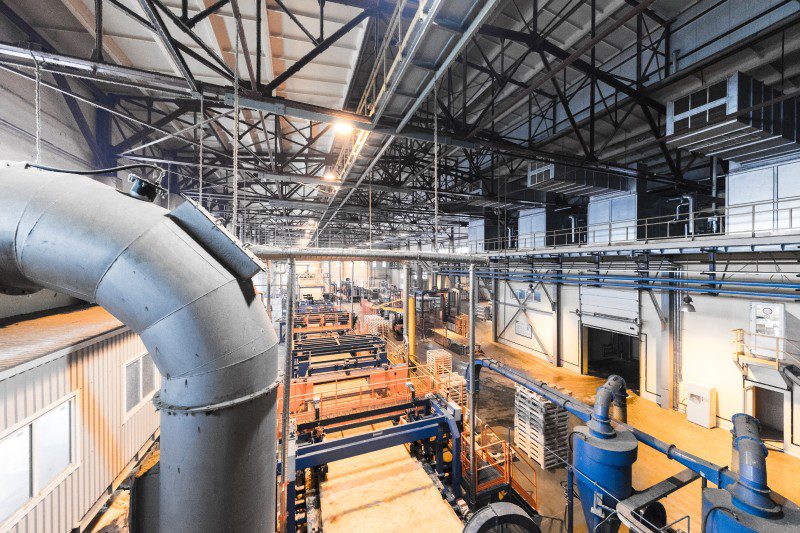
Commercial and civil plumbing sits underneath almost every building project, yet it is rarely the part a client notices until something stops working. The work runs from hydraulic design and in-building installation through to the underground water, sewer, drainage and stormwater infrastructure that has to be right before anything else goes ahead.
For plumbing business owners, builders and developers in Brisbane and across Queensland, understanding where commercial work ends and civil work begins helps with two things: tendering the right jobs, and making sure the insurance program actually matches the risk on site.
What Commercial and Civil Plumbing Covers
The two labels describe overlapping scopes of work. Commercial plumbing generally means the plumbing systems inside and around commercial buildings such as offices, retail premises, warehouses, industrial sites, strata buildings and healthcare facilities. Civil plumbing covers the infrastructure that services a site or a wider precinct, including the underground assets that connect buildings to the broader network.
Across Australian plumbing firms, the day to day scope typically includes:
Design, installation and maintenance services, with a focus on hydraulic systems
Civil drainage and compliant plumbing solutions
Water supply, sewer, drainage and stormwater infrastructure for residential, commercial and civil projects
Hydraulic and civil drainage packages delivered for commercial construction
Construction and utility services for residential and commercial projects, including earthworks on some sites
General plumbing maintenance, drainage, gas fitting and hot water systems on domestic, commercial and rural jobs
Plumbing Civil and Gas, for example, describes itself as offering construction and utility services for residential and commercial projects in Gympie and surrounding areas. Normac Plumbing focuses on hydraulic and civil drainage packages for commercial construction. The scope varies with the client, but the pattern is consistent: commercial and civil contractors are usually working around other trades, tight programs and underground services that are not always visible.
Where Commercial Work Ends and Civil Work Begins
On a single project, both scopes often appear. The distinction matters for scoping, pricing and insurance, because a plumber who mostly installs fixtures inside a building faces a different exposure profile from a contractor digging trenches and laying sewer and stormwater mains.
Work type | Typical focus | Where it shows up |
|---|---|---|
Commercial plumbing | Hydraulic systems, in-building plumbing, fit-out and ongoing maintenance | Offices, retail, warehouses, industrial and strata buildings |
Civil plumbing | Underground water, sewer, drainage and stormwater infrastructure, civil drainage and utility works | Subdivisions, site works and infrastructure projects |
Trade supply and products | Civil pipe, fittings and related trade supplies | Trade distributors, stores and online ordering |
Supply sits alongside both. Reece Civil describes itself as Australia’s largest civil distributor and solutions provider, offering civil plumbing products for trade professionals through its stores and online. A plumbing business may therefore be buying product, installing it, and carrying the liability for the finished work all at once.
Licensed, Accredited and Insured: Why the Paperwork Matters
Commercial clients and head contractors increasingly treat licensing and insurance as pass or fail items. Limcora, which works with builders and developers on commercial and industrial plumbing projects, states that its commercial plumbers are fully licensed, accredited, insured, trained and experienced across industrial, commercial and strata plumbing services. That combination is what clients are buying, not just labour.
Certification schemes add another layer. Commercial Plumbing Co Pty Ltd in Bibra Lake, Western Australia, is listed as a certified Master Plumber with more than ten years of experience through the Find a Master Plumber directory. Directories of this kind exist in most states, and they are often the first place a builder looks when checking a new subcontractor.
For anyone engaging a plumbing contractor, the practical step is to verify licensing with the relevant state regulator and confirm currency of insurance certificates directly, rather than relying on a marketing page or a verbal assurance. For the plumbing business itself, keeping those documents current is part of winning work.
The Risks That Sit Behind a Plumbing Contract
Plumbing and civil work generates a broad spread of exposures, and they change as a business grows from one crew to several. Common risk areas include:
Third party injury or property damage, on site or in neighbouring properties
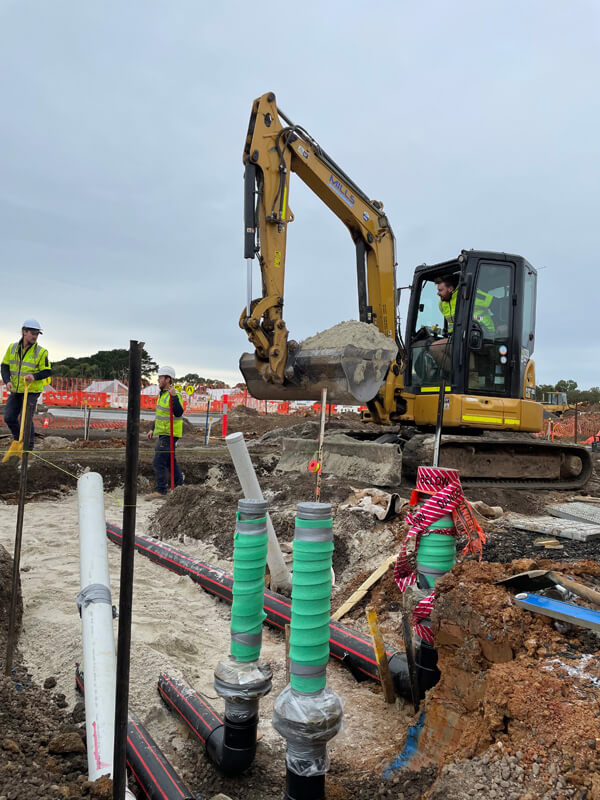
Striking underground services such as water, gas, telecommunications and power during excavation
Water damage or flooding from a failed connection, pressure issue or faulty installation
Damage to plant, tools and equipment, including theft from sites and yards
Faulty workmanship claims that require rework or remediation years after completion
Design or specification errors where hydraulic systems have been documented by the plumbing business
Subcontractor activity, including uninsured or underinsured labour
Project delays, which can trigger contractual penalties and lost income
Cyber incidents affecting job management, invoicing and client data
Civil contractors carry additional weight because earthworks and underground services bring higher value property damage potential. One struck main or damaged stormwater line can lead to a claim well beyond the value of the contract.
Insurance Cover Plumbing and Civil Contractors Commonly Need
There is no single policy that fits every plumbing business, but a broker will normally look at several covers together and match them to the work being done:
Public and product liability, which responds to third party injury and property damage claims
Construction and trades insurance, including contract works cover for projects underway
Professional indemnity, which is relevant where design, hydraulic documentation or advice forms part of the service
Business interruption or loss of profits, to protect income if a site incident or damage halts trading
Management liability, for exposures connected to running a company, employing staff and meeting obligations
Cyber protection insurance, given how much of a trade business now runs through digital systems
Motor and marine transit cover for vehicles, plant and equipment being moved between sites
Cover depends on the policy wording, limits, exclusions and the way the business describes its activities, so the detail matters as much as the product name. Business Insurance Consulting is a Brisbane based brokerage led by Craig Graham, who has 28 years of experience, and it works with an insurer panel that includes CGU, QBE, Vero, Allianz, AIG, Chubb, Zurich and NTI. That spread of markets is useful when a plumbing or civil business needs cover shaped around a particular contract or a mix of residential, commercial and civil work.
Working With Builders, Developers and Head Contractors
Commercial plumbing is a subcontracting game. Builders and developers expect plumbing work to be delivered to scope, on budget and on schedule, with the paperwork to match. That usually means certificates of currency for public liability, evidence of workers compensation arrangements where applicable, and clear documentation of what is included in the contract sum.
Where a plumbing business uses subcontractors of its own, the chain of responsibility extends one step further. Confirming that every subcontractor holds its own cover is part of managing the risk, and it is also a common condition of the head contract. Businesses that cannot demonstrate this cleanly often struggle to stay on preferred tender lists.
What to Have Ready Before You Ask for a Quote
A broker can only place cover accurately if the picture of the business is accurate. Before requesting a quote, it helps to have the following information ready:
Entity structure and ABN details
Licence details and any accreditation or association memberships
Revenue split between residential, commercial and civil work
Typical and largest contract values, plus the largest project underway at any one time
Number of employees, apprentices and subcontractors
Plant, equipment and vehicle schedules with values
Claims history, including incidents that were resolved without a payout
Any contractual insurance requirements imposed by builders or clients
Choosing a Commercial or Civil Plumbing Partner
The market is crowded. Localsearch lists 217 commercial plumbers in Sydney NSW alone, with 58 or more reviews on the platform, and similar numbers exist in every capital city and regional centre. Longevity counts for something too, with firms such as Fairview Plumbing and Civil in Perth drawing on more than 30 years of industry experience.
When assessing a plumbing contractor, look at scope coverage, licensing, insurance currency, crew capacity across multiple sites, and how well the business documents variations and completion. The cheapest quote is rarely the cheapest outcome on a commercial project.
Frequently Asked Questions
Does a commercial plumber need public liability insurance?
Public liability is a common starting point for plumbing and civil contractors, because work happens on other people’s sites and often near the public. It responds to third party injury or property damage claims, subject to policy terms, limits and exclusions. Many builders and clients require evidence of cover before allowing a trade on site, so it is usually a contractual requirement as well as a risk decision.
What is the difference between commercial plumbing and civil plumbing?
Commercial plumbing generally covers the systems within and around commercial buildings, including hydraulic systems, fit-out and maintenance. Civil plumbing covers the underground infrastructure that services a site or precinct, such as water supply, sewer, drainage and stormwater assets. Many businesses do both, which means their insurance program needs to reflect the full mix of work rather than just one side of it.
Is professional indemnity needed for hydraulic design work?
Where a plumbing business designs or documents hydraulic systems rather than simply installing to someone else’s drawings, professional indemnity cover becomes relevant. It responds to claims alleging errors in design, specification or advice. Whether it is needed depends on the contracts being signed, so the contract conditions and the scope of services should both be reviewed before a policy is arranged.
Why do head contractors ask for certificates of currency?
Head contractors carry responsibility for the sites they control and need to know that every trade on site holds current cover. A certificate of currency shows that a policy was in force on the date it was issued. Builders usually ask for these at contract stage and again periodically during the project, which means plumbing businesses should keep their documentation current and easy to produce.
This information is general advice only and does not consider your personal objectives, financial situation or needs. If you need help with a new policy, a renewal or a claim, speak with Business Insurance Consulting about how your commercial and civil plumbing work is actually described on the policy.