
BI

Cyclone Jasper and the Far North Queensland Floods: A Defining Wake-Up Call for Insurance in Australia

Cyclone Jasper Floods and the Urgent Need for Insurance


Cyclone Jasper caused widespread flooding in Far North Queensland, exposing serious insurance gaps for homes and businesses across Australia.

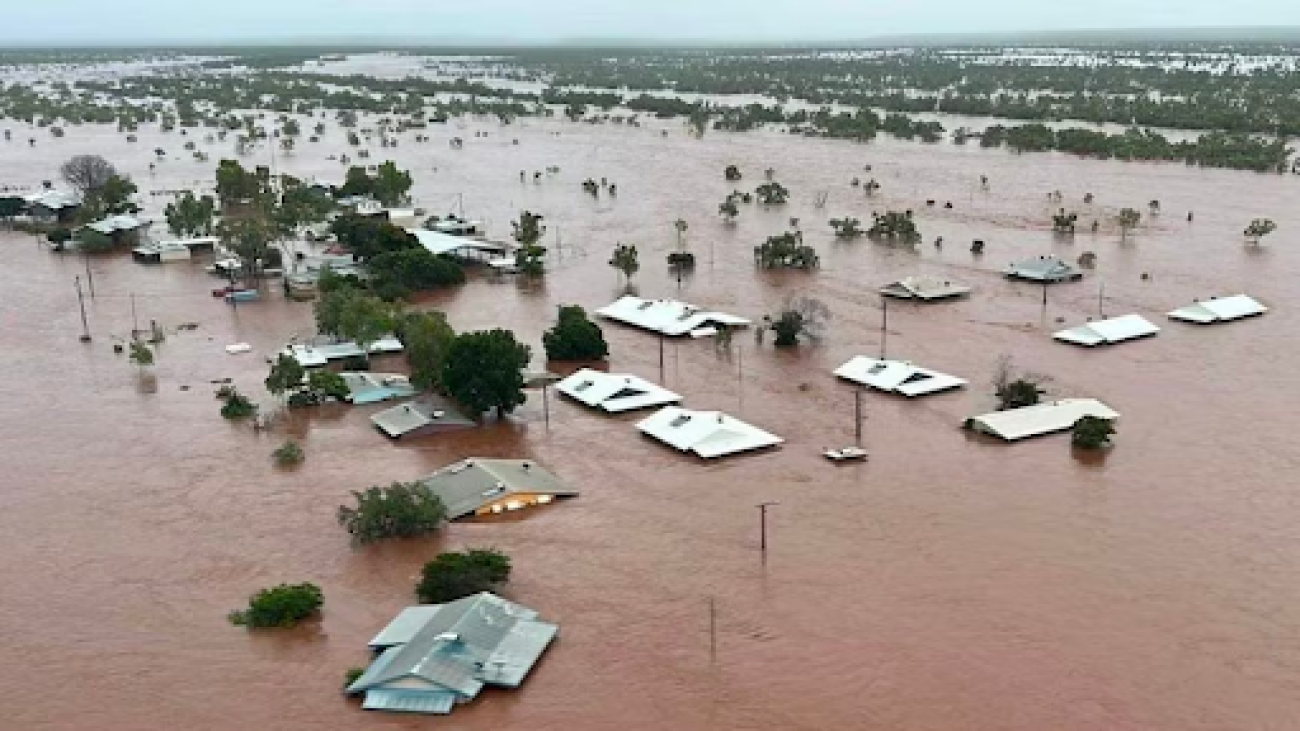
In December, Cyclone Jasper became one of the most damaging weather events to affect Far North Queensland in recent history. While the system itself weakened after crossing the coast, the subsequent rainfall proved catastrophic. Record-breaking downpours caused rivers to burst their banks, isolating communities, flooding homes, and shutting down businesses across Cairns, the Daintree, Port Douglas, and surrounding regions.

What made Cyclone Jasper particularly confronting was not just the scale of physical damage, but the way it exposed vulnerabilities in how Australians prepare for and insure against extreme weather. For many households and businesses, the event became a harsh lesson in the real-world consequences of underinsurance, exclusions, and delayed action.

This single event now stands as a powerful example of why insurance is no longer a background consideration, but an urgent necessity across every sector of the Australian economy.

What happened during Cyclone Jasper

Cyclone Jasper crossed the Queensland coast as a tropical cyclone but stalled inland, releasing extraordinary volumes of rain over several days. Some areas recorded rainfall totals commonly seen over an entire year. River systems, already sensitive to heavy rain, rose rapidly and remained high for extended periods.

Unlike fast-moving storms, the prolonged nature of the rainfall caused cumulative damage. Roads were cut off, bridges were damaged, power and communications failed, and access to essential services became limited. Entire communities were isolated, with emergency response stretched by the scale and duration of the event.

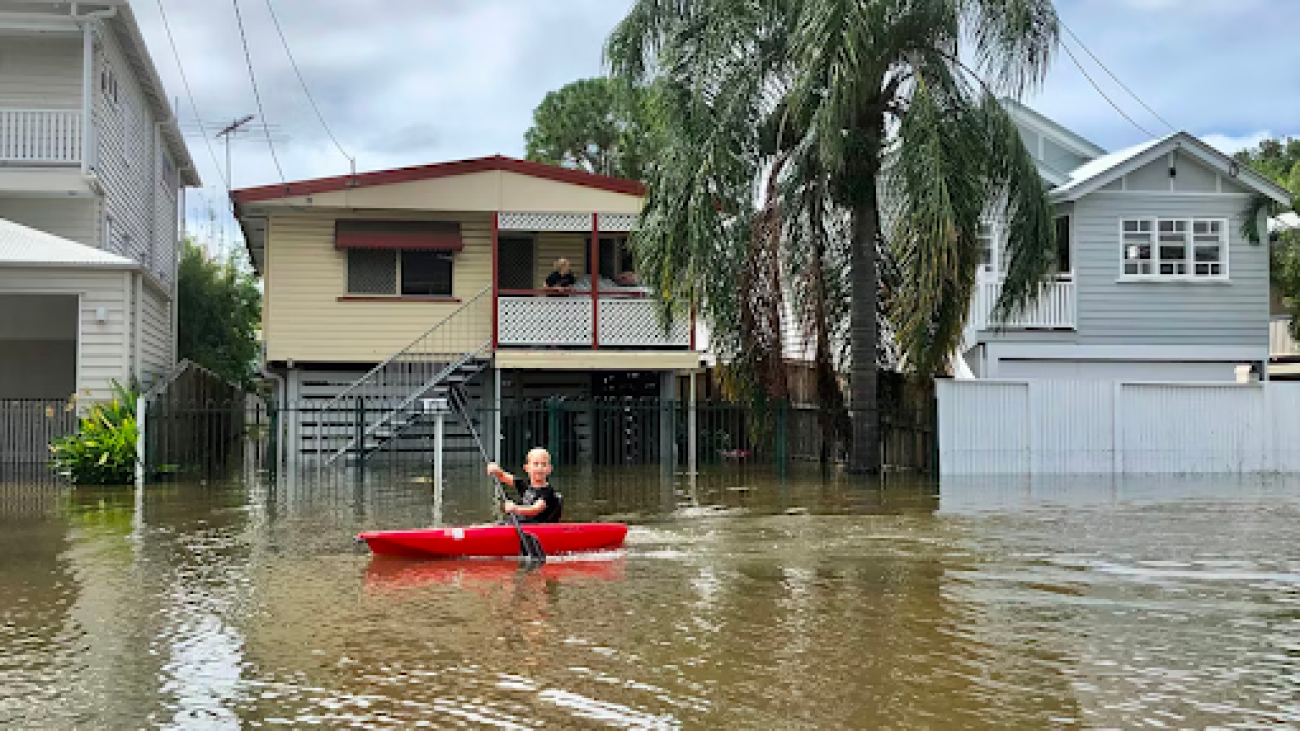
For residents, the flooding was not limited to low-lying areas traditionally considered at risk. Water moved through suburbs and commercial precincts that had not experienced flooding in decades, challenging assumptions about what areas were safe.

The impact on homes and households

Thousands of homes were affected by floodwater during and after Cyclone Jasper. Some experienced minor water ingress that still resulted in significant damage to flooring, walls, and electrical systems. Others were inundated to roof height, rendering them uninhabitable for months.

For many families, the immediate concern was safety and evacuation. Once the waters receded, the financial reality became clear. Rebuilding costs had risen sharply due to labour shortages, material price increases, and the complexity of repairs in flood-affected environments.

Households without flood cover faced overwhelming expenses. Even those with insurance sometimes discovered their policies did not respond as expected due to exclusions, low sums insured, or misunderstandings about what constituted flood versus stormwater damage. The emotional toll was compounded by financial stress and prolonged displacement.

Cyclone Jasper highlighted how critical it is for homeowners to understand not just that they have insurance, but precisely what risks are covered and at what level.

Renters and contents losses

Renters were also heavily impacted. Many lost furniture, appliances, clothing, and personal items that could not be salvaged. Without contents insurance, replacing these essentials became a significant financial burden at a time when rental options were limited, and competition for housing increased.

For those with contents cover, insurance played a vital role in restoring basic living conditions. This contrast underscored how even modest policies can provide meaningful support during recovery.

The effect on small businesses

Small businesses across Far North Queensland faced severe disruption. Cafes, retailers, trades, and tourism operators were forced to close for extended periods. Stock was destroyed, equipment was damaged, and customer access disappeared overnight.

Many business owners discovered that, although they had property insurance, they lacked business interruption coverage. This meant that although repairs might eventually be funded, there was no financial support for lost income during closure. Rent, wages, and supplier costs continued to accrue, placing immense pressure on cash flow.

In tourism-dependent areas, the impact extended well beyond physical damage. Cancelled bookings and damaged infrastructure reduced visitor numbers long after floodwaters receded. Insurance became the difference between businesses that could survive the downturn and those that were forced to close permanently.

Larger enterprises and supply chain disruption

Larger organisations operating in the region also felt the effects of Cyclone Jasper. Transport delays, port disruptions, and damaged infrastructure affected supply chains well beyond the immediate flood zone. Businesses located interstate experienced delays due to damaged roads and distribution hubs in Queensland.

Comprehensive insurance programs helped some organisations absorb these shocks, but others faced uncovered losses where policies had not kept pace with changing risk profiles. The event reinforced the interconnected nature of modern business and the importance of reviewing insurance through a broader operational lens.

Underinsurance exposed

One of the clearest lessons from Cyclone Jasper was the prevalence of underinsurance. Many policies had not been updated to reflect current rebuilding costs. In some cases, sums insured were based on outdated valuations that did not account for increased construction costs or the complexity of flood repairs.

As claims were assessed, gaps between insurance payouts and actual costs became evident. These shortfalls placed additional strain on households and businesses already dealing with disruption and emotional stress.

Regular reviews of insurance cover, particularly in regions exposed to severe weather, are essential to avoid these outcomes.

Community recovery and insurance

Insurance plays a critical role in how quickly communities recover after disasters. In areas where insured losses were addressed promptly, rebuilding progressed, and local economies began to stabilise. Trades returned to work, businesses reopened, and employment resumed.

In contrast, uninsured or underinsured properties slowed recovery—delays in repairs left visible scars on streetscapes and reduced confidence in affected areas. Cyclone Jasper demonstrated that insurance is not only a personal safeguard, but a community-level stabiliser.

Why this event matters nationally

While Cyclone Jasper directly affected Far North Queensland, its implications are national. Similar weather patterns are increasingly likely across Australia, including regions not traditionally associated with tropical systems or severe flooding.

The event challenged assumptions about risk zones, safe locations, and historical precedent. It showed that relying on experience is no longer sufficient in a changing climate. Insurance decisions must reflect emerging realities rather than outdated expectations.

The urgency for action

The most important lesson from Cyclone Jasper is timing. Insurance must be in place before extreme weather occurs. Once warnings are issued or rain begins to fall, it is too late to act.

For homeowners, this means ensuring building and contents insurance accurately reflects replacement costs and includes appropriate flood cover where relevant. For businesses, it means considering not only property damage but the financial impact of closure, disruption, and supply chain interruption.

Cyclone Jasper was not an isolated anomaly. It was a clear signal of the type of events Australians are likely to face more often. The cost of inaction is now well understood, measured not just in dollars, but in prolonged hardship and lost opportunity.

A defining moment for insurance awareness

As recovery continues in Far North Queensland, Cyclone Jasper will remain a reference point in discussions about resilience, preparedness, and risk. It has reshaped how many Australians think about insurance, moving it from an abstract obligation to a practical necessity.

For households and businesses alike, the message is clear. Extreme weather is no longer rare, and the consequences are too severe to ignore. Insurance, when properly understood and maintained, provides certainty in uncertain times.

Cyclone Jasper stands as a reminder that while Australians cannot control the weather, they can take responsibility for how they protect themselves against it.

Cyclone Jasper showed how quickly extreme weather can turn everyday life upside down for households and businesses alike. Reviewing your insurance before the next event occurs is one of the most practical steps you can take to protect your finances and your future.

If you would like to understand better how your current insurance responds to floods, cyclones, and prolonged business disruption, or if you want clarity on gaps, exclusions, and sums insured, professional guidance can make a meaningful difference. To explore reliable information and access experienced support, visit businessinsuranceconsulting.com.au and take the time to ensure your cover reflects the realities of Australia’s changing weather environment.
BI

Weather Events in Australia and the Growing Urgency of Insurance Across Every Sector

Weather Events in Australia and the Urgency of Insurance

Extreme weather events in Australia are increasing the risk for homes and businesses. Learn why insurance is now critical across every sector.

Australia has always lived with weather extremes, but in recent years, the scale, frequency, and intensity of these events have shifted in ways that are impossible to ignore. Floods that were once considered once-in-a-century events now occur within a single decade. Bushfires burn with greater ferocity and reach further into suburban areas. Cyclones push further south, while hailstorms cause millions of dollars in damage within minutes. Against this backdrop, the urgency of insurance for both households and businesses has moved from a financial consideration to a fundamental pillar of resilience.

Across the country, communities are being tested by a climate that no longer behaves as it once did. For homeowners, this has meant confronting property damage, the loss of possessions, and extended periods of displacement. For businesses, the consequences extend even further, disrupting supply chains, interrupting cash flow, and threatening long-term viability. Insurance, once seen by some as optional or overly cautious, is now a core safeguard against forces beyond human control.

A changing pattern of Australian weather

Australia’s weather has always been variable, but recent decades show clear shifts in pattern and impact. Heavy rainfall events are becoming more concentrated, leading to flash flooding in urban areas and prolonged inundation across river systems. Bushfire seasons are longer, starting earlier in the year and ending later, with hotter days and drier conditions increasing fire intensity. Severe storms, including hail and destructive winds, are also more common, particularly along the eastern seaboard.

These events do not occur in isolation. A single year can bring floods in Queensland, bushfires in New South Wales and Victoria, and cyclones impacting northern regions. The cumulative effect places strain not only on emergency services and infrastructure but also on individuals and businesses trying to recover financially. Insurance plays a critical role in bridging the gap between immediate loss and long-term recovery.

Why home insurance is no longer optional

For Australian households, the family home is often the most significant financial asset. When severe weather strikes, the damage can be sudden and overwhelming. Floodwaters can render homes uninhabitable within hours, destroying flooring, walls, electrical systems, and personal belongings. Bushfires can reduce entire streets to ash, leaving families with little more than the clothes they were wearing.

Without adequate insurance, the financial burden of rebuilding falls entirely on the homeowner. Government assistance may offer short-term relief, but it rarely covers the full cost of repair or replacement. Insurance provides a structured and reliable pathway to recovery, enabling families to rebuild, replace essential items, and regain stability.

Consider a suburban household affected by a significant flood event. Even modest water ingress can lead to tens of thousands of dollars in repairs, including mould remediation, plaster replacement, and electrical work. For homes fully inundated, the costs escalate dramatically. Comprehensive home insurance can mean the difference between recovery and long-term financial hardship.

The growing risks for renters and landlords

It is not only homeowners who face increasing exposure. Renters are often among the most vulnerable following weather events, losing personal possessions and facing sudden displacement. Contents insurance allows renters to replace essential items and re-establish daily life more quickly. For landlords, building insurance and landlord-specific cover can protect against structural damage, loss of rental income, and extended vacancy during repairs.

As rental markets tighten following disasters, uninsured losses can ripple through communities. Insurance helps stabilise these impacts by supporting faster repairs and reducing the burden on already stretched housing systems.

Business exposure in an era of disruption

For Australian businesses, weather events pose risks that extend far beyond physical damage. Floods can shut down premises, bushfires can isolate regions, and storms can interrupt power and communications. Even businesses not directly damaged may suffer if suppliers or transport routes are affected.

Insurance for businesses must therefore address both tangible and intangible risks. Property insurance covers damage to buildings, equipment, and stock. Business interruption insurance supports ongoing expenses and lost income while operations are suspended. Together, these covers provide a financial lifeline during periods when revenue stops, but costs continue.

A small manufacturing business located near a river, for example, may suffer flood damage to machinery and raw materials. Without insurance, the cost of replacement and downtime could push the business into insolvency. With appropriate cover, the company can repair, replace, and resume operations with far greater confidence.

Small businesses and the thin margin of survival

Small and medium enterprises are particularly exposed to weather-related shocks. Many operate with limited cash reserves and rely on steady income to meet payroll and supplier obligations. A single event can erase years of progress.

Insurance helps convert an unpredictable catastrophe into a manageable risk. It allows business owners to focus on recovery rather than scrambling for emergency funding. In regional communities, where a single business may support multiple local jobs, insurance also helps preserve economic stability.

Large organisations and complex risk profiles

Larger organisations face different but equally serious challenges. Multiple locations, complex supply chains, and contractual obligations can amplify losses during weather events. Insurance programs for these organisations often involve layered coverage, risk management strategies, and detailed continuity planning.

For example, a logistics company affected by widespread flooding may experience vehicle damage, warehouse losses, and delayed deliveries across several states. Comprehensive insurance enables coordinated recovery across all affected operations, protecting both revenue and reputation.

The cost of underinsurance

One of the most significant issues facing Australians is underinsurance. Many policies are outdated, with sums insured that no longer reflect current rebuilding costs or replacement values. Rising construction expenses, material shortages, and labour constraints mean that rebuilding today costs far more than it did a decade ago.

Underinsurance can leave homeowners and businesses exposed even when they believe they are covered. After a significant event, policyholders may discover that payouts fall short of what is needed to recover fully. Regular reviews and updates are essential to ensure insurance keeps pace with changing conditions.

Weather events and community recovery

Insurance does more than protect individuals and businesses. It underpins broader community recovery. When insured properties are repaired more quickly, neighbourhoods stabilise sooner. Businesses reopen, jobs are retained, and local economies regain momentum.

In contrast, widespread uninsured losses can slow recovery for years. Abandoned properties, closed shops, and reduced services create a cycle of decline that is difficult to reverse. Insurance, therefore, plays a quiet but vital role in community resilience.

The role of planning and preparedness

Insurance works best when combined with proactive planning. Understanding local risks, maintaining properties, and implementing mitigation measures can reduce damage and improve outcomes. For businesses, continuity planning and risk assessments help identify vulnerabilities before disaster strikes.

However, no amount of preparation can eliminate weather risk. Insurance remains the final safety net when prevention measures are overwhelmed by extreme conditions.

A national conversation about risk

As weather events continue to shape the Australian landscape, the conversation around insurance is shifting. It is no longer simply about premiums and policies, but about how society shares and manages risk. Governments, insurers, businesses, and households all have roles to play in building a more resilient future.

For individuals and organisations alike, insurance represents foresight and responsibility. It acknowledges that while extreme weather cannot be controlled, its financial impact can be managed.

Why urgency matters now

The urgency of insurance lies in timing. Cover must be in place before disaster strikes. Once a storm forms or a fire season escalates, it is too late to act. Waiting exposes homes, livelihoods, and entire communities to avoidable hardship.

Australia’s weather is not returning to a gentler past. The evidence is clear: disasters are becoming more costly and more frequent. Insurance is no longer a background consideration, but an essential component of modern Australian life.

In this environment, ensuring adequate coverage for homes and businesses is prudent and resilient. It is about protecting what has been built, supporting recovery when the unexpected occurs, and enabling Australians to face an uncertain climate with greater confidence.

Understanding how Australia’s changing weather patterns affect your home or business is only the first step. Ensuring your insurance coverage reflects real-world risks helps protect what matters most during extreme events.

If you would like to review your current insurance, understand where gaps may exist, or explore how different types of cover respond to floods, bushfires, storms, and other severe weather events, speak with an experienced insurance adviser.You can learn more or request guidance by visiting businessinsuranceconsulting.com.au, where practical insights and professional support are available to help you make informed decisions for your household or business.