
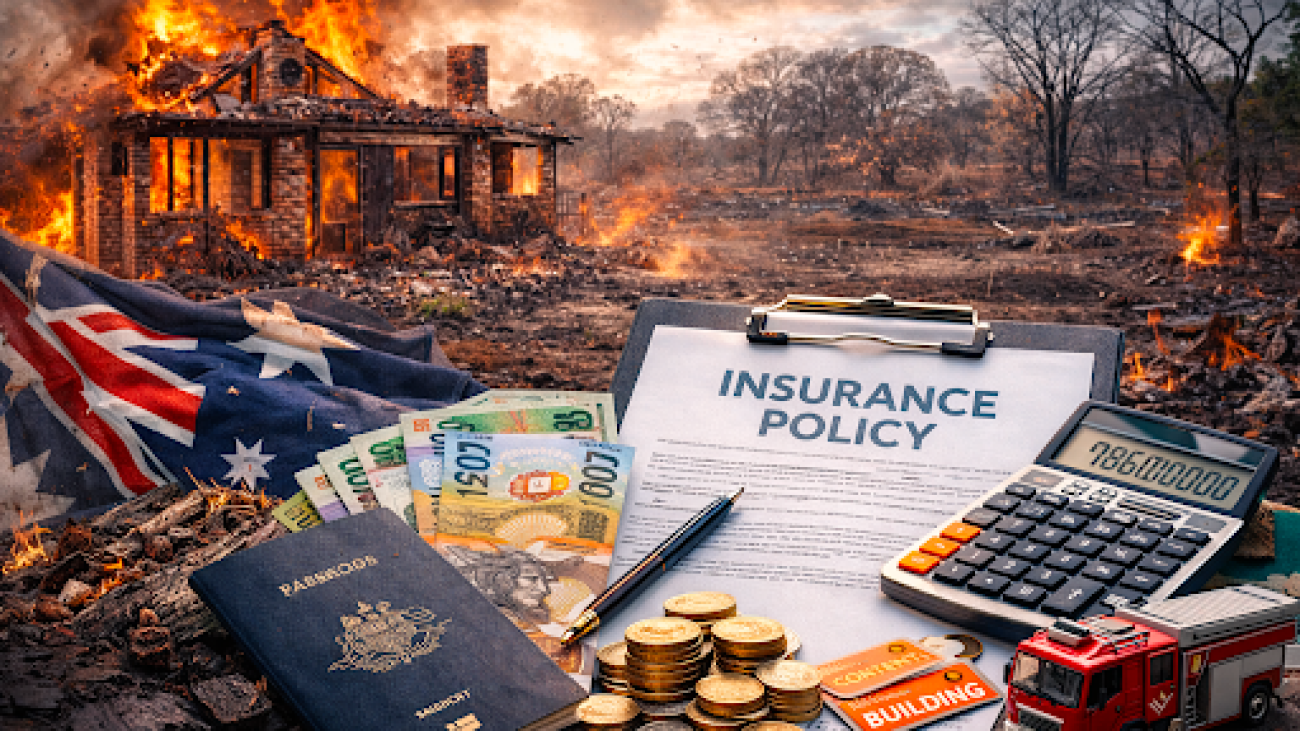
January Bushfires Australia Insurance Impact
January bushfires in Australia are estimated to cost $786 million in insurance claims, highlighting the growing financial impact of extreme weather events.
The Rising Cost of Bushfires in Australia: What the January Fires Mean for Insurance
Australia is no stranger to bushfires. Across many regions of the country, particularly during the warmer months, bushfire season has become a recurring and often devastating part of the national landscape.
However, the financial impact of these fires continues to grow each year. Recent estimates suggest that the January bushfires across parts of Australia could result in insurance claims totalling approximately 786 million dollars.
This significant figure highlights not only the scale of the recent fires but also the increasing economic pressure that natural disasters place on communities, insurers, and property owners.
As climate conditions continue to shift and extreme weather events become more frequent, understanding the relationship between bushfires and insurance is becoming more important for Australian households and businesses.
The Scale of the January Bushfires
The January bushfires affected several regions across Australia, damaging homes, businesses, infrastructure, and natural landscapes.
According to industry estimates reported by Insurance News, insured losses from these fires are expected to reach approximately $ 786 million. This figure reflects the cost of claims submitted by property owners, businesses, and vehicle owners whose assets were damaged or destroyed.
Insurance claims following bushfires typically include damage to residential homes, commercial properties, agricultural buildings, vehicles, and other insured assets.
In addition to structural damage, bushfires can also result in smoke damage, destroyed personal belongings, and business interruption for affected companies.
While these insured losses are significant, it is important to recognise that the total economic cost of bushfires often extends far beyond insured claims.
Communities can experience long term impacts, including environmental damage, lost tourism revenue, and recovery costs for public infrastructure.
Why Bushfires Continue to Drive Insurance Claims
Bushfires represent one of the most costly natural disasters in Australia.
Several factors contribute to the high level of insurance claims following major fire events.
Australia’s climate creates conditions conducive to intense bushfires, particularly during periods of extreme heat, drought, and strong winds.
In addition, population growth in regional and peri-urban areas means that more homes and businesses are located near bushland, where fire risk is higher.
As communities expand into these areas, the number of properties at risk of bushfire increases.
When fires occur in these regions, the result can be widespread damage that generates large numbers of insurance claims.
The Role of Insurance in Disaster Recovery
Insurance plays a critical role in helping communities recover after natural disasters.
When homes or businesses are damaged by bushfires, insurance coverage can provide financial assistance for repairs, rebuilding, and replacing lost belongings.
For businesses, insurance can also help cover lost income during periods when operations are disrupted due to damage.
Without insurance, the financial burden of rebuilding after a disaster would fall entirely on property owners.
This is why property insurance, including home insurance and business insurance, is considered an essential form of protection in many parts of Australia.
The estimated $ 786 million in claims linked to the January fires demonstrates how insurance supports recovery following major disasters.
Bushfires and the Growing Cost of Insurance
While insurance plays a crucial role in disaster recovery, the rising frequency and severity of natural disasters are also placing pressure on the insurance industry.
Large-scale events such as bushfires, floods, and cyclones can generate billions of dollars in claims across Australia each year.
When insurers experience higher claim costs, these costs can influence future insurance premiums.
This means that property owners in high-risk areas may see insurance costs increase over time.
In some locations where risk becomes particularly high, insurers may also introduce stricter underwriting conditions or require additional risk mitigation measures.
These changes reflect the evolving relationship between climate risk and insurance coverage.
The Impact on Australian Communities
Beyond financial figures, bushfires have a profound impact on communities.
Families may lose homes that hold years of memories, businesses may face extended closures, and entire neighbourhoods may need to rebuild.
Insurance support can help communities recover more quickly, but the emotional and social impacts of bushfires often last much longer than the physical damage.
Recovery efforts can take months or even years, depending on the scale of the disaster.
Local governments, emergency services, insurers, and community organisations all play a role in supporting recovery.
The January bushfires serve as another reminder of how closely connected communities are to the natural environment and how important preparation and resilience can be.
The Importance of Bushfire Preparedness
While bushfires cannot always be prevented, preparation can significantly reduce the risk of property damage.
Property owners in bushfire-prone areas are encouraged to take practical steps to reduce the vulnerability of their homes and businesses.
These measures may include maintaining clear vegetation zones around buildings, using fire-resistant building materials, and ensuring that roofs and gutters are regularly cleaned.
Fire preparation plans and emergency evacuation procedures are also important for protecting lives during bushfire events.
Taking proactive steps to reduce risk can not only protect property but may also support insurance coverage by demonstrating responsible risk management.
Understanding Your Insurance Coverage
For property owners in areas exposed to bushfire risk, understanding insurance coverage is essential.
Policies can vary depending on the insurer, the property’s location, and the type of coverage selected.
Some policies may include full replacement coverage for buildings and contents, while others may include specific limits or conditions.
Reviewing insurance policies regularly ensures that coverage reflects the current value of the property and its contents.
It is also important to understand what events are covered, what exclusions may apply, and how claims are assessed.
Clear communication with insurance professionals can help property owners make informed decisions about the level of protection they require.
The Future of Natural Disaster Insurance in Australia
The growing financial impact of bushfires and other extreme weather events is shaping the future of insurance in Australia.
Insurers, government agencies, and communities are increasingly focused on improving resilience and reducing risk.
Investment in disaster-mitigation infrastructure, improved building standards, and community preparedness programs is becoming increasingly important.
These efforts aim to reduce the scale of damage caused by natural disasters.
At the same time, insurance providers continue to adapt their risk models to reflect changing environmental conditions.
This evolving landscape highlights the importance of staying informed about both environmental risks and insurance protection.
The January bushfires, with estimated insured losses of around $ 786 million, highlight the significant financial and social impact that natural disasters continue to have across Australia.
Bushfires remain one of the most challenging natural hazards facing the country, particularly as environmental conditions create increasingly intense fire seasons.
Insurance plays a vital role in supporting recovery after these events, helping property owners rebuild homes, repair businesses, and restore communities.
However, the rising cost of natural disasters also reinforces the importance of preparation, risk awareness, and appropriate insurance coverage.
By understanding bushfire risks and maintaining suitable insurance protection, Australians can better protect their homes, businesses, and communities from the growing challenges posed by extreme weather events.
For more information about protecting your property and understanding insurance coverage for natural disasters, contact the client: