
BC1

Is business liability the same as public liability?

Deciding between public liability and business liability insurance, or choosing to have both, is a significant decision that impacts your business’s security. At Business Insurance Consulting, we strive to make this decision-making process as straightforward as possible.

Our insurance experts understand the specific challenges of various industries, from retail and hospitality to manufacturing and IT services. Each industry comes with its unique set of risks, and therefore, requires a tailored insurance approach.

We offer personalised consultations, taking into consideration your business size, industry, risk factors, and specific needs to provide insurance advice that’s best suited to your situation.

Public Liability Insurance

Public liability insurance covers the costs if someone sues your business for causing injury or property damage. But it’s not just about accidents on your premises. Public liability insurance also covers incidents that happen elsewhere, as long as they’re in connection with your business activities.

For example, suppose you’re a contractor and accidentally cause damage to a client’s property while at work, or you’re a retailer, and a customer injures themselves by tripping over your stock. In both cases, public liability insurance would provide protection by covering legal and compensation costs.

Business Liability Insurance

Business liability insurance has a broader coverage, including public liability and several other risks associated with running a business. The broader coverage is why it’s often the preferred choice for larger businesses or those with higher risk factors.

An important inclusion in business liability insurance is product liability. If your business designs, manufactures, or sells products, there’s always a chance of these products causing harm or damage. Product liability coverage protects against claims made in such instances.

Another key aspect of business liability insurance is the coverage of operational risks. Every business operation has its risks, and when these lead to third-party injury or damage, your business liability insurance will provide coverage.

Balancing the Two

Understanding these insurance types and the specific coverages they provide allows you to better safeguard your business. In many instances, businesses may find that a combination of both public and business liability insurance gives them the most comprehensive coverage.

For example, a manufacturing business may opt for business liability insurance for its comprehensive coverage, including product liability, but also choose to add a public liability policy to ensure they’re adequately covered for customer-related incidents on their premises.

Insurance is a critical aspect of risk management for any business. Having the right coverage not only provides financial protection but also contributes to the long-term sustainability of your business.

At Business Insurance Consulting, we are committed to providing our clients with the knowledge and tools they need to make informed decisions about their business insurance needs. Whether you’re a small start-up or a large corporation, understanding the difference between business liability and public liability insurance can be the first step towards better protecting your business.

In the end, it’s important to remember that insurance policies should be tailored to your business’s specific needs. No two businesses are the same, and therefore, their insurance needs will differ. At Business Insurance Consulting, we are here to help navigate these complexities, ensuring you have the right insurance coverage for your unique needs.

Case Studies for Better Understanding

To better understand the distinctions and applications of public and business liability insurance, let’s delve into some case studies.

Construction Company

A construction company runs high operational risks, especially concerning employee and third-party safety. In this case, business liability insurance offers broad coverage. It includes accidents on the construction site, damages due to construction activities, and potential faults in the buildings once handed over.

Retail Store

A retail store where customers are continuously present has high public interaction. Accidents like customers tripping over items or suffering from any mishaps within the store premises underline the necessity of public liability insurance. However, if the store also sells products of its own, a business liability policy covering product liability becomes crucial.

IT Company

An IT company offering software solutions has different liability considerations. While public liability might be lower, the business might still need business liability insurance for cases like a software glitch causing client business interruption.

Understanding the Premiums

One crucial aspect to consider while choosing between public and business liability insurance is the premium cost. Premiums for these insurances depend on several factors:

Business Nature: High-risk businesses, like construction or manufacturing companies, often have higher premiums.

Business Size: More extensive operations typically mean higher risk, translating into higher premiums.

Claim History: Businesses with a history of frequent insurance claims may face higher premiums.

Coverage Amount: Higher coverage limits lead to higher premiums.

Our team at Business Insurance Consulting guides clients to find the right balance between premium costs and coverage needs.

While business liability and public liability insurances are different, both are essential in protecting your business against unforeseen risks. The right insurance coverage helps in safeguarding your business assets, providing medical care for injured parties, and covering legal costs. It’s a small price to pay for peace of mind and business sustainability.
At Business Insurance Consulting, we prioritise educating our clients about different insurance types, enabling them to make informed decisions. We’re here to guide you through the complex insurance landscape, ensuring that your business is comprehensively covered against all potential risks.

Screen Shot 2022-02-15 at 3.27.24 pm

Questions remain after cyclone reinsurance pool details are released

After announcing that they would be going ahead with the long-debated proposal, the Federal Government has quickly moved to develop a cyclone reinsurance pool. 

The draft legislation was released December 2021. It provided various details, but still left key questions regarding the pool unanswered. 

The two-week public consultation period on the draft bill closed on the 17th of December 2021, and the legislation is due to be introduced into Federal Parliament this year, and the pool is set to commence from July. This is ahead of the election due by late may this year. 

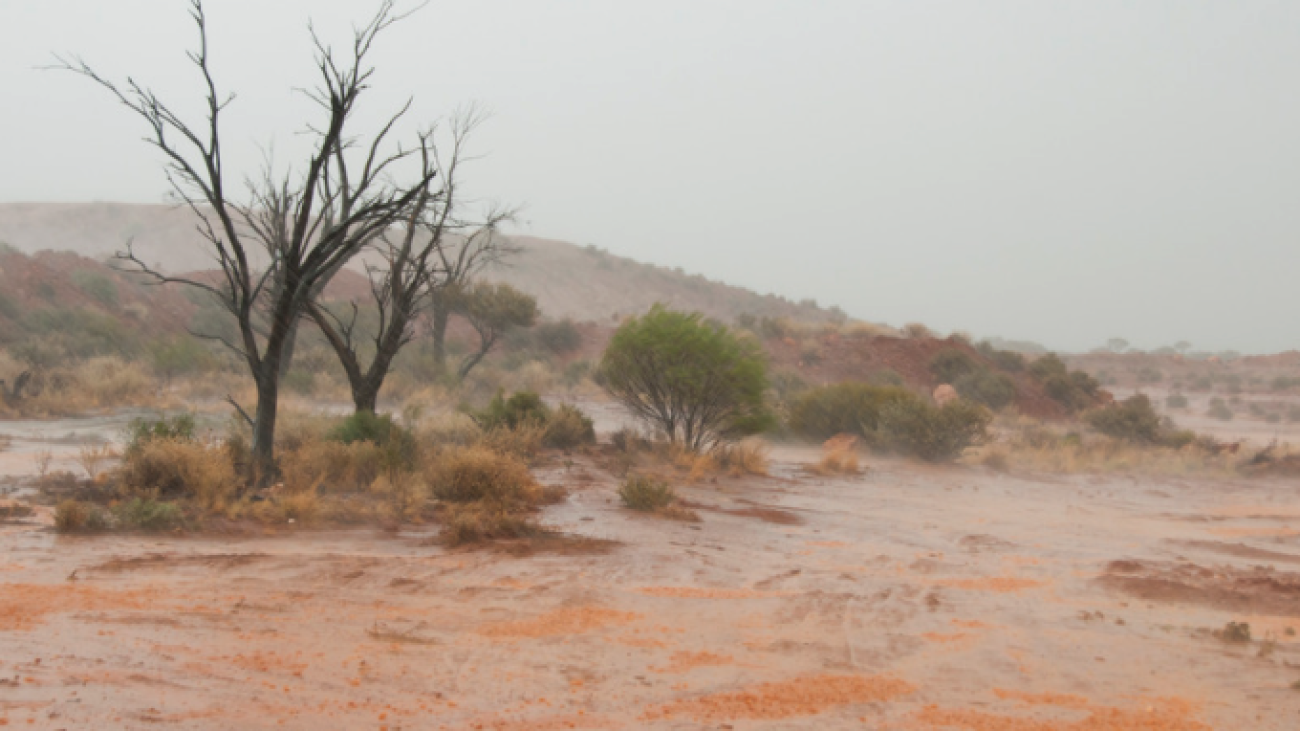
The pool will cover cyclone and related flood damage for claims that arise from the beginning of a cyclone until 48 hours after it ends. The cover includes wind, rain, rainwater, rainwater run-off, storm surge, and riverine flood damage. 

The Australian Reinsurance Pool Corporation (ARPC) will administer the scheme, and based on advice from the Bureau of Meteorology they will declare an event. The initial announcements regarding the proposed pool had referred to a region above the Tropic of Capricorn, however the new material simply refers to “cyclones in Australia”, including offshore territories such as Norfolk Island. 

The eligible policies include, household property, residential and mixed-use strata, small business, charity and not-for-profit property policies, and farm residential policies. 

However there are certain restrictions. 

Business property policies would need to have sums insured of $5 million or less and strata and community title properties will be eligible where at least 80% of the total floor space of units are used mainly for residential purposes. Business marine cover remains a work in progress and is set to be included from the middle of 2023. 

This cyclone pool will be mandatory and insurers are expected to start entering into agreements with the ARPC from July. 

Large insurers have until December 31 next year to join the scheme, and small insurers have an extra 12 months to ensure all eligible risks are reinsured with the scheme. 

The pool will be funded by insurer premiums but the scheme is backed by a $10 billion annual Government guarantee. In the case of rare cyclone activity levels that draw down the available funds, the Government guarantee can be increased after talks involving the Prime Minister, Treasurer and Financial Minister. 

Premiums determined by the ARPC will be subject to actuarial review, and won’t include a profit margin. The pricing formula is set to be finalised before July and will use property-level data such as geography, building characteristics, and mitigation. 

Treasury says key principles for the formula include that it should lower the reinsurance cost for most policies with medium-to-high exposure to cyclone risk and have minimal impact on premiums for lower cyclone-risk properties. 

The treasury says it should also maintain incentives for risk reduction and offer discounts for properties that undertake mitigation. 

From July to June 30, 2025, the cyclone pool should cover the entire cost of eligible cyclone and related flood damage claims above the policyholder excess, “to support insurer transition and maximise the potential premium reductions through the pool”. 

After that time, the pool will operate on a risk sharing arrangement with the insurers, where the pool will continue to cover a significant proportion of eligible claims. 

Insurers will continue to manage any of the claims, while the policyholders will still be able to choose their insurer. 

“The scheme is expected to improve insurance access and affordability in cyclone-prone areas, build the financial capability of affected households and small businesses to recover from natural disasters, and support the economic resilience and development of cyclone-prone areas,” the Treasury paper says.

“The scheme is also expected to increase competition by encouraging greater insurer participation in cyclone-prone areas and support higher levels of insurance coverage by property owners.” 

Pricing and the pass-through of savings from the scheme will be monitored by the Australian Competition and Consumer Commision. The first review is scheduled for three years after it commences, and every five years thereafter. 

While the scheme is expected to commence in July this year, critical issues around the setting of premium pricing are still to be determined. Debate continues about the breadth of this cover, and the expected level of savings for policyholders remains unknown. 


You can read the draft legislation, along with further details here. 

Credit: https://www.insurancenews.com.au/analysis/cyclone-pool-details-revealed-but-questions-remain

Screen Shot 2022-01-27 at 1.28.48 pm

AFCA says there is no excuse for not disclosing your claims history

A couple has lost their claims dispute after failing to remember their previous claims history when purchasing an Auto & General motor policy. 

The Australian Financial Complaints Authority (AFCA) has ruled that the oversight was a breach of the disclosure obligations and the insurer was entitled to decline the latest claim for damage to the couple’s vehicle. 

When purchasing their policy, the couple was asked how many claims they had made in the last five years. They indicated they were unsure whether it was one or two, and the insurer’s representative suggested that they disclose two claims. 

The couple should have disclosed four claims. If they had disclosed the full extent of their claims history, the insurer’s underwriting criteria would have ruled them out. 

“The complainants say they forgot about one of the non-recoverable claims,” the AFCA’s ombudsman said. 

“While this may have been the case, it does not change the outcome.”

“It is reasonable to expect a person to know their claims history. I do not accept forgetting means the claims history was not known to the complainants for the purpose of section 21A(5)(i) of the [Insurance Contracts] Act.”

The AFCA said that an innocent non-disclosure is still a non-disclosure, and therefore a breach of the complainant’s duty. 

“I am satisfied that, by failing to disclose two of the four claims the complainants had in the five years prior to policy inception, the complainants failed to comply with their duty of disclosure.”

“I am satisfied if the complainants disclosed their full claims history, the insurer would not have agreed to offer the policy and would not have insured the complainants.”

“Therefore, under section 28 of the Act, the insurer is entitled to reduce its liability to nil and refuse to pay the claim.” 

You can read the full ruling here.

Interested in a dedicated broker for your home or business? Contact us for your own specialised quote. 

Credit: 

https://tinyurl.com/yhwdseck