Weather Events in Australia and the Urgency of Insurance
Extreme weather events in Australia are increasing the risk for homes and businesses. Learn why insurance is now critical across every sector.
Australia has always lived with weather extremes, but in recent years, the scale, frequency, and intensity of these events have shifted in ways that are impossible to ignore. Floods that were once considered once-in-a-century events now occur within a single decade. Bushfires burn with greater ferocity and reach further into suburban areas. Cyclones push further south, while hailstorms cause millions of dollars in damage within minutes. Against this backdrop, the urgency of insurance for both households and businesses has moved from a financial consideration to a fundamental pillar of resilience.
Across the country, communities are being tested by a climate that no longer behaves as it once did. For homeowners, this has meant confronting property damage, the loss of possessions, and extended periods of displacement. For businesses, the consequences extend even further, disrupting supply chains, interrupting cash flow, and threatening long-term viability. Insurance, once seen by some as optional or overly cautious, is now a core safeguard against forces beyond human control.
A changing pattern of Australian weather
Australia’s weather has always been variable, but recent decades show clear shifts in pattern and impact. Heavy rainfall events are becoming more concentrated, leading to flash flooding in urban areas and prolonged inundation across river systems. Bushfire seasons are longer, starting earlier in the year and ending later, with hotter days and drier conditions increasing fire intensity. Severe storms, including hail and destructive winds, are also more common, particularly along the eastern seaboard.
These events do not occur in isolation. A single year can bring floods in Queensland, bushfires in New South Wales and Victoria, and cyclones impacting northern regions. The cumulative effect places strain not only on emergency services and infrastructure but also on individuals and businesses trying to recover financially. Insurance plays a critical role in bridging the gap between immediate loss and long-term recovery.
Why home insurance is no longer optional
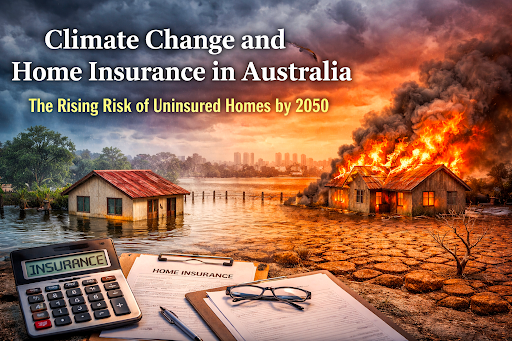
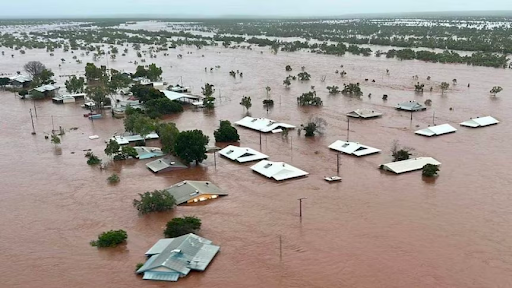
For Australian households, the family home is often the most significant financial asset. When severe weather strikes, the damage can be sudden and overwhelming. Floodwaters can render homes uninhabitable within hours, destroying flooring, walls, electrical systems, and personal belongings. Bushfires can reduce entire streets to ash, leaving families with little more than the clothes they were wearing.
Without adequate insurance, the financial burden of rebuilding falls entirely on the homeowner. Government assistance may offer short-term relief, but it rarely covers the full cost of repair or replacement. Insurance provides a structured and reliable pathway to recovery, enabling families to rebuild, replace essential items, and regain stability.
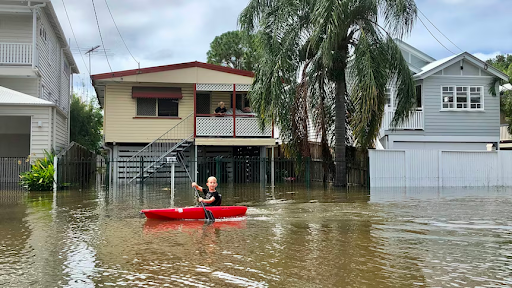
Consider a suburban household affected by a significant flood event. Even modest water ingress can lead to tens of thousands of dollars in repairs, including mould remediation, plaster replacement, and electrical work. For homes fully inundated, the costs escalate dramatically. Comprehensive home insurance can mean the difference between recovery and long-term financial hardship.
The growing risks for renters and landlords
It is not only homeowners who face increasing exposure. Renters are often among the most vulnerable following weather events, losing personal possessions and facing sudden displacement. Contents insurance allows renters to replace essential items and re-establish daily life more quickly. For landlords, building insurance and landlord-specific cover can protect against structural damage, loss of rental income, and extended vacancy during repairs.
As rental markets tighten following disasters, uninsured losses can ripple through communities. Insurance helps stabilise these impacts by supporting faster repairs and reducing the burden on already stretched housing systems.
Business exposure in an era of disruption
For Australian businesses, weather events pose risks that extend far beyond physical damage. Floods can shut down premises, bushfires can isolate regions, and storms can interrupt power and communications. Even businesses not directly damaged may suffer if suppliers or transport routes are affected.
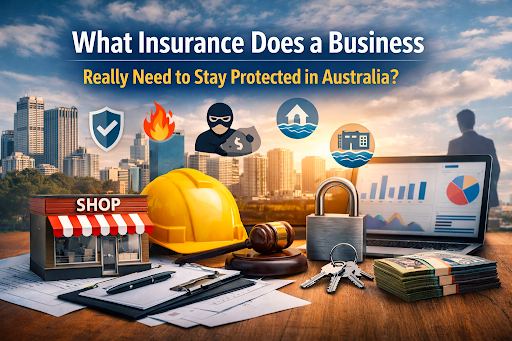
Insurance for businesses must therefore address both tangible and intangible risks. Property insurance covers damage to buildings, equipment, and stock. Business interruption insurance supports ongoing expenses and lost income while operations are suspended. Together, these covers provide a financial lifeline during periods when revenue stops, but costs continue.
A small manufacturing business located near a river, for example, may suffer flood damage to machinery and raw materials. Without insurance, the cost of replacement and downtime could push the business into insolvency. With appropriate cover, the company can repair, replace, and resume operations with far greater confidence.
Small businesses and the thin margin of survival
Small and medium enterprises are particularly exposed to weather-related shocks. Many operate with limited cash reserves and rely on steady income to meet payroll and supplier obligations. A single event can erase years of progress.
Insurance helps convert an unpredictable catastrophe into a manageable risk. It allows business owners to focus on recovery rather than scrambling for emergency funding. In regional communities, where a single business may support multiple local jobs, insurance also helps preserve economic stability.
Large organisations and complex risk profiles
Larger organisations face different but equally serious challenges. Multiple locations, complex supply chains, and contractual obligations can amplify losses during weather events. Insurance programs for these organisations often involve layered coverage, risk management strategies, and detailed continuity planning.
For example, a logistics company affected by widespread flooding may experience vehicle damage, warehouse losses, and delayed deliveries across several states. Comprehensive insurance enables coordinated recovery across all affected operations, protecting both revenue and reputation.
The cost of underinsurance
One of the most significant issues facing Australians is underinsurance. Many policies are outdated, with sums insured that no longer reflect current rebuilding costs or replacement values. Rising construction expenses, material shortages, and labour constraints mean that rebuilding today costs far more than it did a decade ago.
Underinsurance can leave homeowners and businesses exposed even when they believe they are covered. After a significant event, policyholders may discover that payouts fall short of what is needed to recover fully. Regular reviews and updates are essential to ensure insurance keeps pace with changing conditions.
Weather events and community recovery
Insurance does more than protect individuals and businesses. It underpins broader community recovery. When insured properties are repaired more quickly, neighbourhoods stabilise sooner. Businesses reopen, jobs are retained, and local economies regain momentum.
In contrast, widespread uninsured losses can slow recovery for years. Abandoned properties, closed shops, and reduced services create a cycle of decline that is difficult to reverse. Insurance, therefore, plays a quiet but vital role in community resilience.
The role of planning and preparedness
Insurance works best when combined with proactive planning. Understanding local risks, maintaining properties, and implementing mitigation measures can reduce damage and improve outcomes. For businesses, continuity planning and risk assessments help identify vulnerabilities before disaster strikes.
However, no amount of preparation can eliminate weather risk. Insurance remains the final safety net when prevention measures are overwhelmed by extreme conditions.
A national conversation about risk
As weather events continue to shape the Australian landscape, the conversation around insurance is shifting. It is no longer simply about premiums and policies, but about how society shares and manages risk. Governments, insurers, businesses, and households all have roles to play in building a more resilient future.
For individuals and organisations alike, insurance represents foresight and responsibility. It acknowledges that while extreme weather cannot be controlled, its financial impact can be managed.
Why urgency matters now
The urgency of insurance lies in timing. Cover must be in place before disaster strikes. Once a storm forms or a fire season escalates, it is too late to act. Waiting exposes homes, livelihoods, and entire communities to avoidable hardship.
Australia’s weather is not returning to a gentler past. The evidence is clear: disasters are becoming more costly and more frequent. Insurance is no longer a background consideration, but an essential component of modern Australian life.
In this environment, ensuring adequate coverage for homes and businesses is prudent and resilient. It is about protecting what has been built, supporting recovery when the unexpected occurs, and enabling Australians to face an uncertain climate with greater confidence.
Understanding how Australia’s changing weather patterns affect your home or business is only the first step. Ensuring your insurance coverage reflects real-world risks helps protect what matters most during extreme events.
If you would like to review your current insurance, understand where gaps may exist, or explore how different types of cover respond to floods, bushfires, storms, and other severe weather events, speak with an experienced insurance adviser.You can learn more or request guidance by visiting businessinsuranceconsulting.com.au, where practical insights and professional support are available to help you make informed decisions for your household or business.