
Climate Change Home Insurance Australia 2050
Climate change is reshaping home insurance in Australia, with rising premiums and risks leaving more households uninsured by 2050. Learn what this means.
A Changing Climate Is Reshaping Home Insurance in Australia
Across Australia, the conversation around climate change is no longer confined to environmental discussions. It is increasingly becoming a financial reality for households, particularly when it comes to protecting one of life’s biggest assets, the family home.
Over the past decade, the cost of home insurance has steadily climbed, but recent projections suggest this trend is only the beginning. By 2050, a significant portion of Australian homes may no longer be adequately insured, not because people do not want cover, but because it may simply become unaffordable or unavailable in certain areas.
This emerging challenge reflects a deeper shift in how risk is assessed, priced, and managed across the insurance sector.
The Emerging Protection Gap in Australian Housing
The concept of a protection gap is becoming central to understanding the future of home insurance. In simple terms, it is the difference between the financial losses people incur after an event and the amount actually covered by insurance.
Today, this gap already exists. Many households either do not hold insurance at all or carry policies that fall short of covering the full cost of rebuilding or repairs.
Looking ahead, this gap is expected to widen. By the middle of the century, projections indicate that a much larger share of homes could fall into this category, leaving families exposed to significant financial risk following natural disasters.
This is not a distant possibility; it is a trend already taking shape.
Why Insurance Premiums Are Increasing
Insurance premiums are not rising randomly. They are a direct reflection of risk, and risk in Australia is becoming more complex.
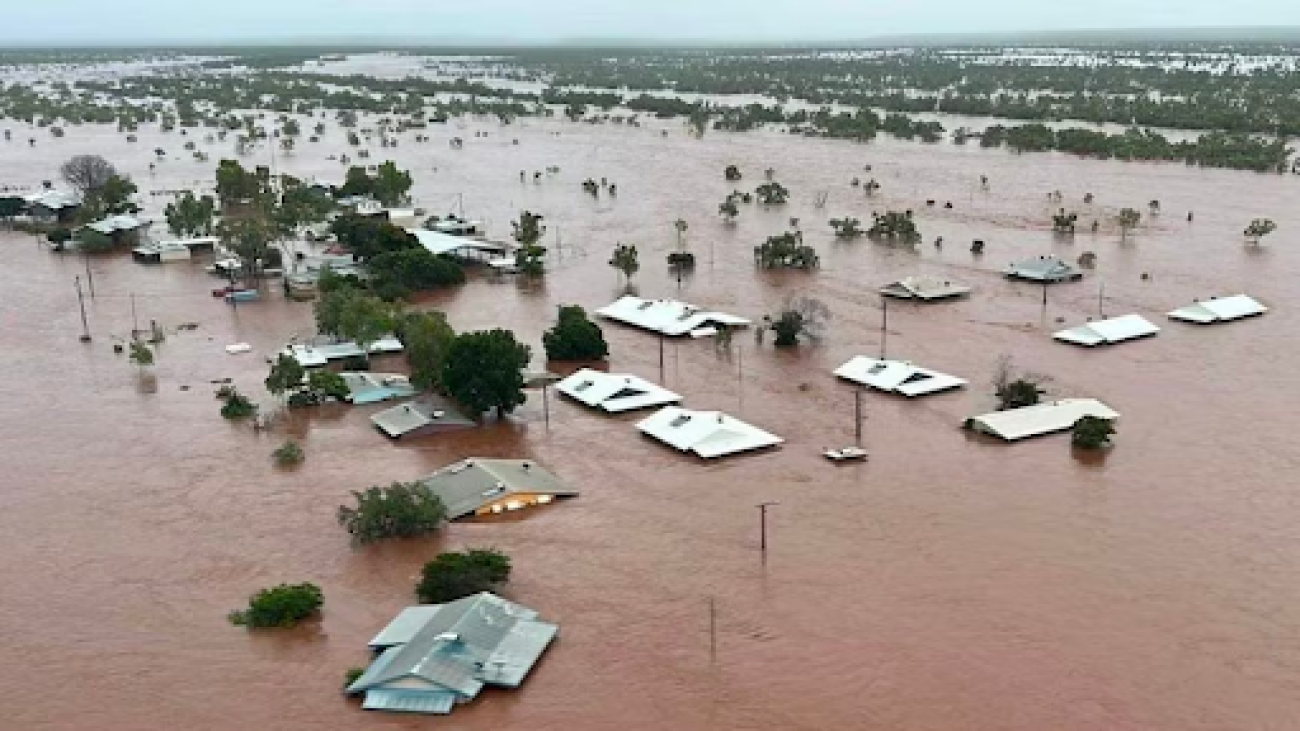
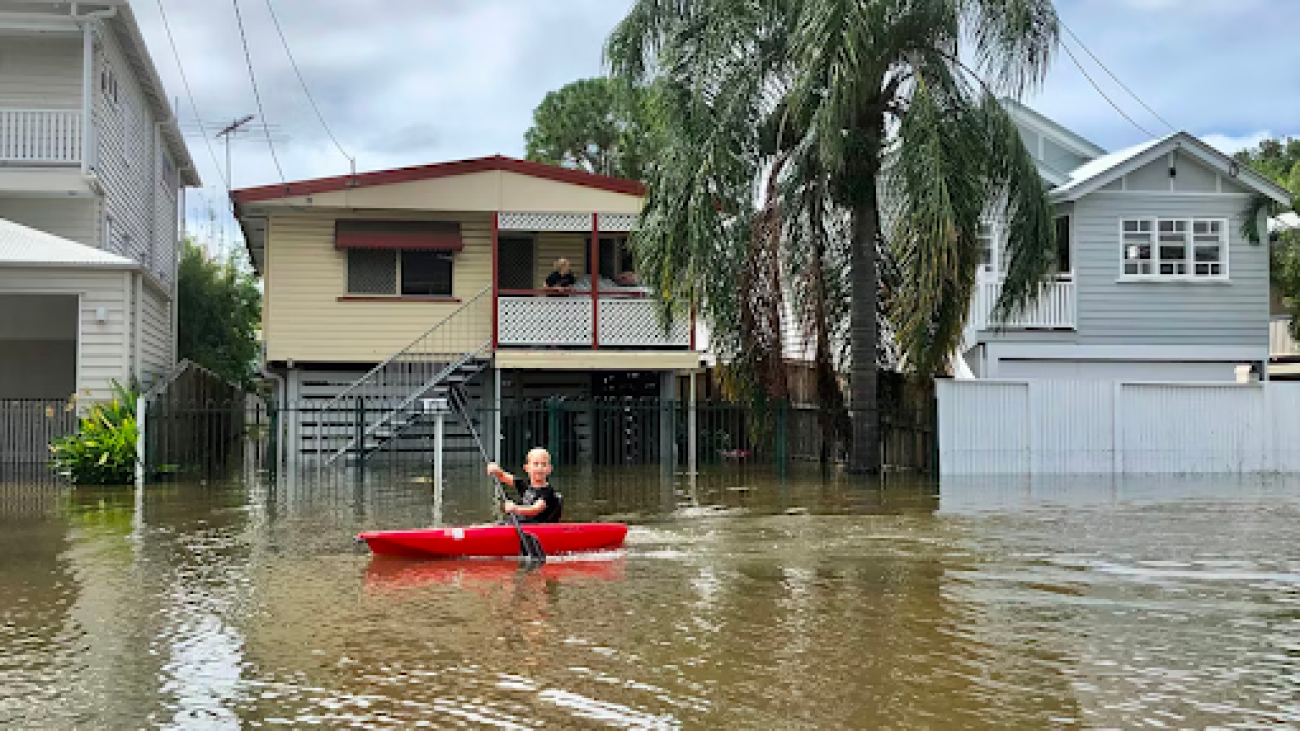
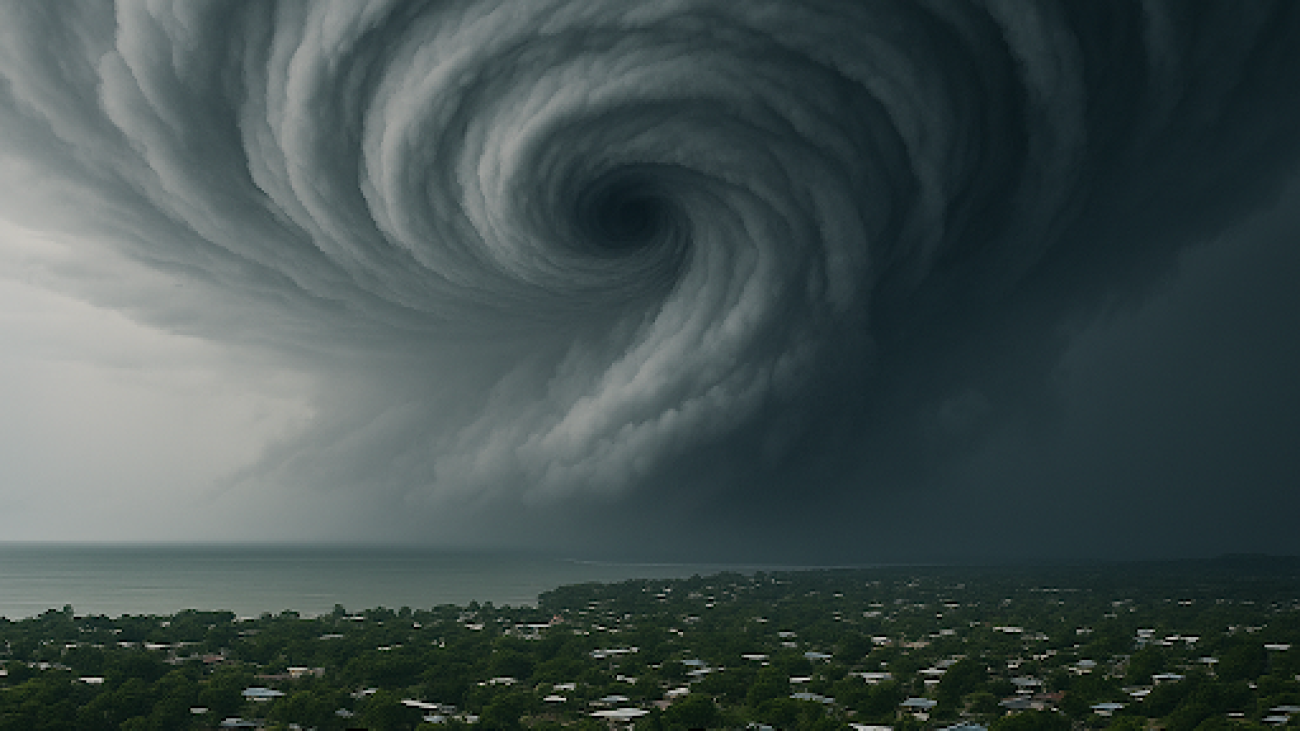
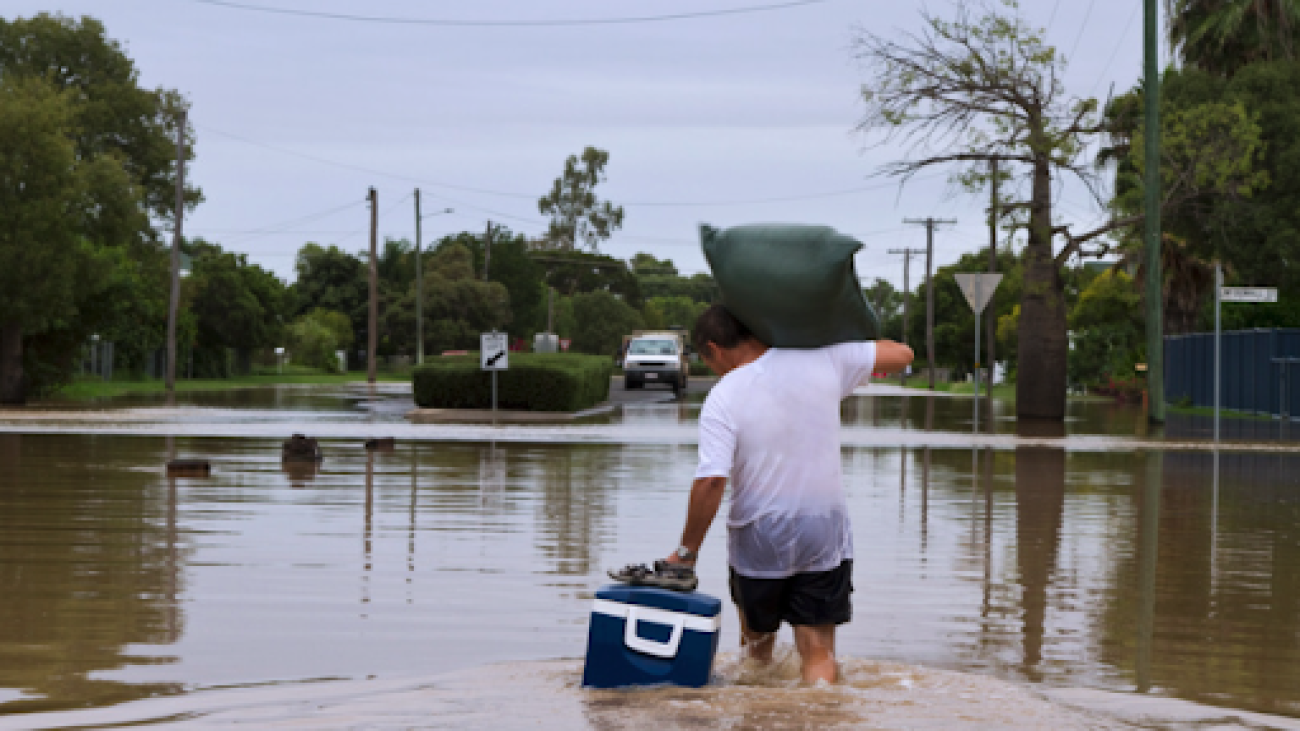
Extreme weather events are occurring more frequently, and when they do occur, the financial impact tends to be higher. Floods, bushfires, storms, and cyclones are not only affecting more properties but also causing greater damage than in previous decades.
As insurers pay out more claims, they adjust their pricing to remain financially viable. This means higher premiums for policyholders.
In some regions, these increases have been sharp. Homeowners in flood-prone or bushfire-exposed areas have seen premiums rise to levels that are difficult to sustain.
For many households, this creates a difficult decision: maintain full coverage at a higher cost, reduce coverage to save money, or withdraw from the insurance market altogether.
The Reality of Underinsurance
While much attention is given to households without insurance, underinsurance is an equally important issue.
Underinsurance occurs when the amount of cover held does not reflect the true cost of rebuilding a home. This can happen for several reasons.
Property owners may underestimate rebuilding costs, particularly in a market where construction expenses are rising. Others may deliberately lower their insured value to reduce premiums.
In a stable environment, this may not immediately present a problem. However, when a major event occurs, the consequences become clear.
Rebuilding after a disaster is often more expensive than expected. Increased demand for materials and labour, combined with supply constraints, can drive costs well beyond initial estimates.
Households that are underinsured may find themselves unable to fully recover financially, even with an insurance payout.
Climate Risk Is Becoming a Financial Risk
Climate change is often discussed in environmental terms, but its financial implications are becoming increasingly evident.
As weather patterns shift, certain areas are becoming more exposed to risk. Coastal regions face rising sea levels and storm surges, while inland areas may experience more intense heat and bushfire conditions.
These risks are being incorporated into insurance modelling. Advances in data analysis allow insurers to assess risk at a more granular level, leading to more precise pricing.
While this improves the accuracy of risk assessment, it also means that some properties may be deemed higher risk than previously understood.
For homeowners, this can translate into higher premiums or changes in coverage conditions.
The Flow On Effects Across the Economy
The impact of rising insurance challenges does not stop at individual households. It has broader implications for the Australian economy.
One key area is lending. Banks often require properties to be insured as a condition of a mortgage. If insurance becomes unaffordable or unavailable, this could affect borrowing capacity.
Properties in higher-risk areas may become less attractive to buyers, potentially influencing property values. This could create uneven market conditions across different regions.
Insurers themselves may also adjust their approach. In some cases, they may limit exposure in certain areas or refine the types of policies offered.
This combination of factors has the potential to reshape parts of the housing market over time.
Communities Facing the Greatest Pressure
Not all communities will experience these changes equally. Areas that are already exposed to natural hazards are likely to feel the impact first.
Regional towns, coastal communities, and outer suburban areas often face higher levels of climate risk. These same areas may also have lower average incomes, making rising premiums more difficult to manage.
In these communities, the balance between affordability and protection becomes particularly challenging.
Without adequate insurance, recovery from natural disasters becomes more difficult. This can slow down rebuilding efforts and place additional strain on local economies.
Over time, repeated events and rising costs may influence where people choose to live.
The Role of Policy and Planning
Addressing the future of home insurance will require more than individual action. It will involve coordinated efforts across government, industry, and communities.
Investment in infrastructure is a focus area. Flood mitigation systems, improved drainage, and fire management strategies can reduce overall risk.
Urban planning also plays a role. Decisions about where and how new developments occur can influence long-term exposure to climate events.
Building standards are another important factor. Homes designed to withstand extreme conditions may experience less damage, which in turn can influence insurance costs.
There is also ongoing discussion around targeted support measures for households facing high insurance costs.
How Insurers Are Adapting
The insurance industry is actively responding to these changes. Technology and data are playing a central role in this adaptation.
Improved modelling allows insurers to better understand and predict risk. This supports more accurate pricing and helps identify areas where intervention may be needed.
Some insurers are also exploring new types of products and approaches. These may include policies designed around specific risks or innovative payout structures.
There is a growing emphasis on resilience. Encouraging homeowners to take steps to reduce risk, such as improving building materials or landscaping, can help manage future exposure.
What Homeowners Can Do Now
While the broader trends are complex, there are practical steps homeowners can take.
Regularly reviewing insurance policies is essential. This includes ensuring that coverage levels reflect current rebuilding costs.
Understanding local risks is also important. Awareness of flood zones, bushfire exposure, and other environmental factors can inform both insurance decisions and property maintenance.
Seeking professional advice can provide additional clarity. Insurance specialists can help navigate policy options and identify appropriate levels of cover.
For those considering purchasing property, climate risk is becoming an increasingly relevant factor. It is no longer just about location and price, but also about long-term sustainability and affordability.
A Shift in How We Think About Protection
The traditional view of home insurance as a routine household expense is evolving. It is becoming a more dynamic and complex part of financial planning.
As climate conditions continue to change, so too will the way risk is managed. This may involve greater collaboration between insurers, governments, and communities.
It may also require a shift in expectations. In some cases, the cost of living in certain areas may need to reflect the underlying risk.
This does not mean that solutions are out of reach. Rather, it highlights the importance of proactive planning and informed decision-making.
Looking Toward 2050
The projection that a significant number of homes could be uninsured or underinsured by 2050 is a powerful indicator of change.
It reflects the intersection of environmental trends, economic pressures, and evolving risk assessment practices.
The path forward will depend on a range of factors, including climate action, policy decisions, and industry innovation.
What remains clear is that the relationship between climate change and home insurance will continue to shape the housing landscape in Australia.
Thoughts on Navigating a Complex Future
For Australian households, the message is not one of alarm, but of awareness.
Understanding how climate change influences insurance is an important step in managing future risk. Staying informed, reviewing coverage, and planning ahead can make a meaningful difference.
As the landscape evolves, access to reliable information and guidance becomes increasingly valuable.If you are looking to better understand your home insurance options, assess your level of cover, or navigate changing risks, you can speak with the team at https://businessinsuranceconsulting.com.au/ for further insights and support.