
Landlord Insurance Australia

Landlord Insurance Australia: Protect Your Investment

In this blog post, we’ll provide you with an overview of why landlord insurance in Australia can be beneficial when it comes to protecting your investment property.

Are you a landlord or property manager looking for more peace of mind when it comes to protecting your investment?

Whether you’re a new startup or an experienced real estate investor, having the right kind of insurance in place is essential for safeguarding your asset and ensuring long-term success.

At Business Insurance Consulting, we understand how important it is that landlords protect their investments with the right policy – and we want to help.

With our team by your side and best practices in hand, you can trust us to keep your asset safe from any unexpected hazards. 

Get ready to learn all about the importance of landlord insurance – let’s go!

Understanding landlord insurance and the benefits it offers

Navigating the world of landlord insurance in Australia may seem like a daunting task, but fear not, for we’re here to shed light on the subject and unravel its many benefits.

As a property owner who plays the role of the landlord, you’ll come to appreciate the security this type of insurance provides, as it safeguards against potential financial loss or damage to the property and ensures the smooth running of your rental business.

From protection against tenants who fall into rent arrears to coverage for unforeseen circumstances like natural disasters and other insured events, landlord insurance serves as a trusty shield to help prevent unexpected setbacks from derailing the trajectory of your investment.

Moreover, it also covers your responsibility as a landlord for personal injuries suffered by your tenants or their guests within the premises.

So, whether you’re new to the rental property game or a seasoned expert, landlord insurance is a valuable ally in safeguarding the fruits of your hard work and dedication.

Choosing the right policy for your investment property

Embarking on the journey of acquiring an investment property can be an exhilarating mix of excitement and trepidation.

As you dive into the fascinating world of real estate, one crucial aspect you need to consider for a seamless and rewarding experience is choosing the right insurance policy.

First and foremost, think long term and assess your investment goals. Are you looking for rental income or capital appreciation?

Next, evaluate the risks your property could face, such as natural disasters or tenant-related concerns, including rent defaults or cover the costs to repair or replace after damages.

Don’t shy away from seeking professional advice or doing some online research to find a tailored policy that provides comprehensive coverage for your investment.

There are many options out there depending on your needs, you can opt to choose a smaller policy to only apply contents cover or building insurance. Or you can opt for a Steadfast Direct landlord insurance policy and enjoy extensive protection.

Remember, the right policy will go a long way in safeguarding your investment property and ensuring it generates the returns you desire, so take your time and embrace the journey towards becoming a savvy property investor!

Tips for Reducing Your Premiums

The first step towards a more pocket-friendly policy is looking for discounts, such as bundling different policies together or choosing a higher deductible. This can feel like a mini treasure hunt!

Next, consider stepping up your home security measures, as they can not only protect your beloved abode but also earn you discounts from your insurance provider.

Little changes can make a significant impact, and that includes maintaining a good credit score – which magically opens the door to lower premiums.

And of course, don’t forget to frequently review your coverage with your insurance consultant and shop around for the best deals, because sometimes they are hidden in plain sight.

Making these small yet effective changes will help you achieve the perfect balance between a well-protected home and a delightfully lighter wallet.

Common Claims and What’s Covered

Landlord insurance can feel like a maze, with numerous common claims and coverage options to navigate through. Fear not, fellow property owners, as we are here to shed light on the most frequent claims and what your policy might cover.

To start, one of the most common grumbles is the pesky leaky pipe that causes water damage to your property. Thankfully, most landlord insurance policies cover this type of accidental damage.

Mischievous break-ins and thefts are another typical claim, but worry not, as these policies often provide coverage for these incidents, safeguarding your valuable assets.

And let’s not forget about the occasional unanticipated natural disaster like a storm or flood. This is where your insurance steps in to provide a protecting umbrella, shielding your property and your bank account from the stormy weather.

Then you also have to consider the painful tenant that constantly forgets to pay their bills, leaving you out of pocket in loss of rent. Some policies will also provide the option to cover for loss of rent, so you’re not left out of pocket the weekly rental amount.  

So, while the idea of insurance can be overwhelming, knowing its coverage capabilities can help you find peace of mind in the unpredictable world of property management.

Why Landlord Insurance is a Necessity for Investors

We all strive to make prudent investments, don’t we? One of the most popular and secure options is, of course, real estate.

However, with great investments come great responsibilities, and that’s where the necessity of landlord insurance comes into play for property investors.

As a landlord, you’re not only standing guard over your valuable investment but also assuming the liability that comes with being a trusted custodian for your tenants’ welfare.

With landlord insurance, you’ll rest easy knowing that both your property and your financial well-being are protected from the unforeseen – from potential property damage, tenant disputes, and loss of rental income to devastating legal battles.

With that peace of mind, you’re free to watch your investments flourish and enjoy the sweet taste of success. 

So, remember to arm yourself with a solid landlord insurance policy, because every smart investor deserves to have their hard work and dedication rewarded.

Protect your investment

If you’re a property investor, then having landlord insurance in Australia can make all the difference. Attaining the most appropriate policy for your investment property and familiarising yourself with the coverages available can help protect you financially in the event of any damages or losses.

Furthermore, there are several ways to reduce premiums so that it fits into your budget. Whether due to legal requirements, security or peace of mind, it’s important to make sure you have taken out landlord insurance in order to safeguard your investment.

At Business Insurance Consulting, we understand the importance of having such a policy and are here to assist you in finding the right coverage for your unique needs.

Our professional insurance consultants can provide advice and guidance on landlord insurances as well as figure out which type of policy would best suit your needs and work with you throughout this process. Contact us today to find out more about how we can help ensure your property is protected!

Credits

Business Insurance Consulting https://businessinsuranceconsulting.com.au/landlord-insurance/

Steadfast Insurance – https://www.steadfast.com.au/insurance-types/personal-insurance/landlord-insurance

marine transit insurance

Top Tips For Investing In Marine Transit Insurance

As a business owner, you know that protecting your products and shipments is crucial to your success. That’s why investing in marine transit insurance is a smart move. Marine insurance cover, including marine cargo insurance, can protect your business against loss or damage to goods during shipping.

However, with so many different types of insurance coverage available, it can be difficult to know which one is right for your business. To help you make the best decision possible, we’ve put together some top tips for investing in marine transit insurance. Keep reading to learn more!

What is marine transit insurance and why do you need it?

When you’re involved in any kind of commercial maritime operation, marine transit insurance is absolutely essential. This form of insurance protects ocean freight and goods that are being transported by sea, covering them against risks such as theft and damage due to storms or accidents.

It also covers associated costs such as those incurred from rescuing a damaged vessel, recovering the contents of said vessel or legal fees associated with any claims made regarding the losses that were experienced.

In addition to this, marine transit insurance pays out in the event that the goods bought with the investments have not reached their destination or have been contaminated en route.

By investing in marine transit insurance, you can be certain that you and your goods are protected no matter what obstacle may come your way on your maritime journey.

The top benefits of investing in marine transit insurance

Marine transit insurance can be a great way to protect your goods and assets while they are transported across the seas, giving you peace of mind as a business owner to ensure that what you have invested in is protected.

This type of insurance has many benefits, both financially and practically. It is the ultimate form of risk management for cargo owners and maritime businesses.

You’ll be covered if there’s ever an accident, damages from fire or negligence on the part of the carrier, total loss of your goods due to sea-piracy or other disasters, etc.

Additionally, marine transit insurance will often cover legal costs for claims, for which investors would otherwise have needed to pay out-of-pocket expenses.

Finally, this type of insurance offers flexibility for rates and coverage based on the investor’s unique situation and needs. Therefore investing in marine transit insurance is a wise business decision that can help to safeguard your investments and give you peace of mind at sea.

How to get the best value for your money when investing in marine transit insurance

Investing in marine transit insurance can be a great way to protect your business from potential financial losses due to unforeseen circumstances. To get the best value for your money, business owners should consider consulting with an insurance consultant.

An experienced business insurance consultant will be able to guide you through the process of selecting the right type of inland marine and cargo insurance cover and ensure that you receive the best value for your money.

Your insurance consultant will also have extensive knowledge regarding the different types of coverage available and help you identify those that might provide more comprehensive protection for your business operations.

With their assistance, you can make an informed decision regarding what type of insurance is right for your business, set yourself up with the most cost effective policy, and invest in peace of mind.

The top tips for finding the right marine transit insurance policy for you

Finding the right insurance policy for you isn’t always easy. So, to make the process smoother, look out for these top tips when researching your options.

First, consult with a professional insurance broker who specialises in marine transit insurance – they can help you navigate the range of options on the market, and explain which policy will be most suitable for you and your business.

Second, make sure that no detail of your cargo’s journey is overlooked. Any gaps in coverage can leave you at risk of being underinsured.

Finally, don’t underestimate the need to update your policy whenever needed. Review it regularly so it reflects changes to your transportation methods as well as any new regulations that may apply.

With these tips in mind, you can find the perfect marine transit insurance policy to keep all your goods safe!

How to make sure you are getting the most out of your marine transit insurance policy

Insurance can give you peace of mind that your goods are sufficiently covered, but ensuring your policy is fit for purpose and tailored to your needs is a must.

It’s important to carefully examine what the policy covers including transit time, modes of transport and methods of loss prevention. While the cost of the insurance may be expensive initially, spending a little time now saving on extras can save you in the long run if you do have an incident.

Make sure you are familiar with common claims events such as port-related losses, water damage or pilferage and shop around for quotes to ensure you get the best price for the cover you need.

Taking this proactive approach helps mitigate risks and ensures there are no nasty surprises further down the line.

Final Words

In conclusion, it’s important to note that marine transit insurance is vital for anyone dealing with goods moving overseas.

Not only does marine transit insurance provide you with greater peace of mind and protection should something go wrong during transit, but it also has financial benefits.

To get the most out of your policy, make sure you shop around and compare different insurers, opt for comprehensive cover and use our top tips to narrow down suitable providers.

Furthermore, if you need help finding a policy that provides the best value for money or have any questions at all about marine transit insurance, our team at Business Insurance Consulting can help you get comprehensive cover to safeguard your goods in transit.

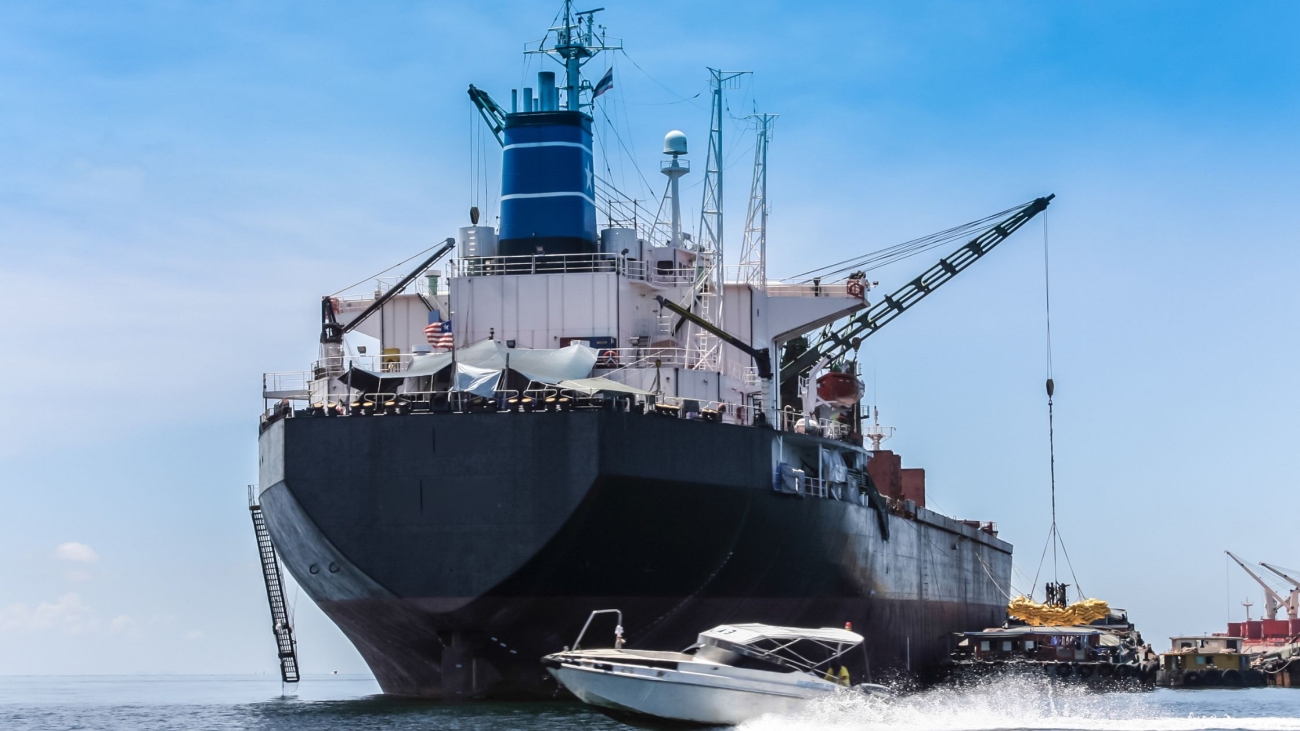
Commercial ship

Three Major Types Of Insurance Involved In Marine Insurance

Do you work in the marine sector? Are you responsible for the transportation of goods via sea?

If you answered ‘yes’ to either of these questions, we have a follow-up question: Do you have a comprehensive marine insurance policy?

Let’s take a look at why it is so important that you get a new, or review of your current policy.

Australia relies on marine transport for 99% of its exports. This means that it is extremely important that your cargo makes it to its destination. 

Many things can go wrong at sea, including injuries, cargo loss, and ship damage. When things go wrong you and your business must be protected by marine transit insurance.

What is Marine Insurance?

Marine insurance refers to the range of insurance policies that help protect your business from financial losses from damage to vessels or cargo. Some policies also cover the delivery of goods right to the door and their storage along the way. 

Marine Insurance is essential for businesses that are involved in:

  • Shipping or receiving of goods
  • Commercial watercraft operations
  • Vessel repairs
  • Running a marina
  • Any other marine-related business 

It provides valuable cover for all of your operations both on land and out at sea. 

There are 3 main types of marine insurance cover that you can choose from, depending on your business’s operations and needs.  

Marine Liability Insurance

Worker watching marine port with tablet.

The first kind of cover is marine liability insurance. This covers the legal liability of vessel owners for any injuries or damages that occur as a result of marine-related activities. 

Unfortunately, accidents happen more often than we may think aboard ships. The Australian Marine Safety Authority recorded 319 injuries in 2019 alone, with 54.5% of these occurring on bulk carriers or container vessels. 

While insurance won’t stop these accidents from occurring, it will ensure you won’t face hefty bills after the fact. 

For commercial operators, liability insurance can also cover deviation expenses, legal assistance, and defence costs. 

Ship or Hull Insurance

Ship or hull insurance provides cover for commercial vessels which are engaged in harbour, inland, and coastal operations. This can also be extended to include damage to machinery, third-party liability, and loss of earnings. 

Marine vessels are subject to harsh weather conditions including lightning strikes and tsunamis, as well as collision risks. For this reason, it is important to ensure that you are covered for the costs associated with these damages. 

You can also adapt your cover to include an accidental damage clause, to ensure that your ship is insured against all kinds of damage. 

Cargo Protection

cargo ship out at see with another ship in the distance.

Marine cargo insurance covers the transportation of goods while being transferred, acquired, or held on the ship or dock. Some cargo insurance policies will also cover the cargo to its final destination.

If any accidents occur that result in physical loss or damage of cargo, then your insurance company will cover you. 

These policies are highly customisable, so you can be sure your goods are substantially protected during their entire journey. You can opt to include specific clauses to cover frozen or chilled goods, theft, fires, collisions and so much more. 

So, you will have peace of mind that any losses or damages will be covered by your insurance provider rather than out of your back pocket. 

Insure Your Marine Business

Is your marine business covered by all of these insurance plans? If it is, then you can have peace of mind that you’re protected. If not, then we can help. 

We can help review your insurance options and help ensure your business operations and cargo are fully insured. Visit our website or contact us to request a quote.  

Credits

The Department of Infrastructure, Transport, Regional Development – https://www.infrastructure.gov.au/infrastructure-transport-vehicles/maritime

NTI Limited – 

https://www.nti.com.au/marine-protect/marine-liability-insurance

https://www.nti.com.au/marine-protect/hull-insurance

https://www.nti.com.au/marine-protect/cargo-insurance

blurred heads looking at palm trees

Affordability

Why is insurance affordability so important? 

Insurance plays an essential role in the economy, and affordable insurance is central to resilient communities.

Our members recognise that access to appropriate levels of insurance cover is a crucial to supporting our communities and national economic recovery and growth.

Committed to addressing affordability

Insurers share a commitment to addressing insurance affordability and availability over the short and long-term and the ICA works closely with all levels of government and consumers to help communities understand risk and work towards practical and meaningful solutions.

Why have some premiums been rising?

Insurance prices reflect the level of risk within a given market. Different types of insurance will therefore be priced differently. 

Generally speaking, premiums tend to be lower and stable where there is competition, freely available reinsurance and known risk factors. As insurance works by pooling risk, insurers cannot have a concentrated exposure to any one source of risk and the level of premiums is one way they can manage their exposure.

In recent years, our changing natural environment has impacted the cost of insurance in parts of Australia. Catastrophic natural events have damaged or destroyed property worth tens of billions of dollars. This has been most recently visible in the Australian bushfires of 2019-20 and floods of 2021 and the increasing frequency of these events poses long-term questions for the insurance industry and the Australian community.

Reviews into insurance affordability

Two prominent reviews have taken place into insurance affordability in the last two years:

  • ACCC Northern Australia Insurance Inquiry  
  • Role of the Private Insurance Market –Independent Strategic Review: Commercial Insurance

ACCC Northern Australia Insurance Inquiry

Concentrated impact in northern Australia

Catastrophic natural events impact different parts of Australia in different ways. In northern Australia, the increasing scale and frequency of claims due to cyclones and flood has raised costs and rendered the insurance market unprofitable over a long period of time.  This focus was the subject of recent reports, including:

  • ACCC Northern Australia Insurance Inquiry(released in December 2020)

Findings of ACCC Northern Australia Insurance Inquiry 

Over three years, the ACCC conducted a wide-ranging inquiry into the supply of residential building, contents and strata insurance in northern Australia.

The final report, released in December 2020, concluded that “the higher risk of natural disasters in northern Australia is driving higher premiums” and suggested that “reforms to land use planning and building standards may offer the best hope for achieving sustainable and equitable improvements to insurance affordability in northern Australia in the future.”

Role of the Private Insurance Market – Independent Strategic Review: Commercial Insurance

An independent report was commissioned by the Insurance Council of Australia and led by industry expert John Trowbridge in collaboration with economist Michael Blythe. A draft was released in May 2021 and the final report, including 13 recommendations, was released on 20 September 2021.

The final report concluded that in the context of a hardening insurance market there is no one-size-fits-all solution to issues of affordability and availability for small business sectors, and that solutions require collaboration and goodwill between the insurance sector, the SME sector, and governments.

The Review’s recommendations broadly fall into three categories: improved engagement between insurers and the SME sector; better understanding of insurance by SME policyholders; and advocacy to government and transparency. The ICA supports all recommendations of the Review.

Submissions to the ICA

Access submissions to the ICA for the ‘Role of the Private Insurance Market –Independent Strategic Review: Commercial Insurance’

Screen Shot 2022-03-28 at 10.05.43 am

High level of underinsurance in flood affected areas

The Queensland and NSW floods have caused losses reaching an estimated $2.3 billion. This devastating extreme weather event has deeply impacted many families and businesses.

A survey conducted by the Insurance Council of Australia (ICA) has highlighted a significant level of underinsurance among the affected communities. 

The ICA reported on March 21st that insurers had received 153,769 claims, which is a 2% increase from the previous week’s figures. 

ICA also released results from a survey of more than 1000 people from three flood-prone areas in southeast Queensland and NSW. The survey found that 37% of respondents say they wouldn’t have enough insurance to rebuild. 

Two-thirds of respondents also stated they don’t believe governments are investing enough to properly protect homes and communities from extreme weather events. More than 90% of those respondents said the spending should at least double. 

From the survey the ICA reports that an astonishing 94% of people said there should be better controls on where homes are built so they are not at risk of flood. 

On affordability and availability constraint drivers, the survey finds 47% say flood cover can be difficult or expensive to obtain due to the risk of flood, one in five says it is driven by insurer profits and 11% cite climate change. 

“The Insurance Council has long called for greater investment in measures that better protect homes and communities from the impact of extreme weather,” ICA CEO Andrew Hall said. 

“This most recent flood has unfortunately brought this issue into sharp relief, and now those directly impacted have added their voices to this call.”

The ICA survey was conducted from March 11th-14th across the Northern Rivers, Western Sydney and Greater Brisbane regions. 

If you wish to discuss your home or business insurance options, you can contact Craig from Business Insurance Consulting. 

Email: [email protected]

Phone: 0412 212 099

Credit: https://www.insurancenews.com.au/local/flood-losses-rising-as-survey-shows-high-levels-of-underinsurance

Screen Shot 2022-03-08 at 11.32.58 am

Personal hardship assistance extended to more flood-affected areas across South-East Queensland

On March 2nd, the Insurance Council of Australia (ICA) stated that insurers received 48,220 claims related to the flooding in South-East Queensland and the New South Wales coast. 

This was a 53 percent increase from the previous day’s claims count, and further demonstrated the significant impact from this event. 

37,807 of the claims were from Queensland, with the remainder from New South Wales. The New South Wales figures are expected to increase, as more policyholders return to their homes and businesses. 

Eight-four percent of the total claims relate to property, with the rest being motor vehicle claims. Insurers do not currently have an estimate of claims costs. 

The personal hardship assistance has been extended to more flood-affected individuals and families, as flooding continues to affect people across South-East Queensland. 

Grants are available through the jointly funded Commonwealth-State Disaster Recovery Funding Arrangements (DRFA) for eligible flood-affected residents in Ipswich, Lockyer Valley, Moreton Bay and Somerset. The personal hardship grants have also been extended to the entire Local Government Area of Gympie Regional Council, Fraser Coast and Sunshine Coast.

The Federal Minister for Emergency Management and National Recovery and Resilience Senator the Hon Bridget McKenzie said that if eligible, the DRFA assistance would provide grants of up to a maximum of $900 for a family of five or more, or $180 per person. 

“These payments are designed to cover essential items such as food and clothing for people who are doing it tough as a result of the floods, in addition to the reconnection of essential services once it’s safe to return home.” 

“Areas affected by flooding in Brisbane and Logan are currently being assessed for the provision of personal hardship financial assistance and those assessments are being progressed as a matter of priority.” 

“Brokers are contacting their clients in affected areas and are offering their assistance,” said NIBA CEO Philip Kewin. 

“The Australian and Queensland governments continue to work closely to support ongoing recovery efforts and identify where further assistance is required to ensure all flooded communities have the assistance they need to get back on their feet.”

You can find more information on Personal Hardship Assistance and Essential Services Hardship Assistance here, or contact the Community Recovery Hotline 1800 173 349. 

Credit: 

https://www.niba.com.au/2022/03/01/personal-hardship-assistance-for-insurance-catastrophe-affected-areas/?utm_medium=email&utm_campaign=Broker%20Buzz%202%20March%202022&utm_content=Broker%20Buzz%202%20March%202022+CID_e6939488bb93f5b6d1e850621fed373c&utm_source=Email%20marketing%20software&utm_term=Personal%20hardship%20assistance%20for%20flood%20affected%20communities

Screen Shot 2022-02-15 at 3.29.04 pm

Insurers step up their commitment to tackling climate change

Allianz Australia has stepped up their climate commitment in 2021 by becoming the first insurer to join Climate League 2030. 

Climate League 2030 is a private sector-focussed 10-year initiative that aims to reduce Australia’s annual greenhouse gas emissions, in line with the targets set by the Paris Agreement in 2015. 

The Investor Group on Climate Change (IGCC) launched the initiative in October 2020, starting with investor participants. 

IGCC is a collaboration of both Australian and New Zealand investors focussed on the financial impact of climate change on investments. 

Supporting Climate 2030 means Allianz must commit to taking at least one new action each year that will make a demonstrable contribution to reducing Australian emissions. 

Allianz Australia MD Richard Feledy says the business is “proud” to be the first insurer to join the initiative.

“Allianz is committed to a net-zero emissions future and we are decarbonising our operations, insurance portfolio and investments to help us achieve that goal,” Mr Feledy said. 

“We believe climate risks are better mitigated when we collaborate with other organisations, industries and markets.”

“By joining initiatives such as Climate League, we hope to enable an orderly transition.” 

IGCC CEO Rebecca Mikula-Wright says hopefully more insurers will follow Allianz and join the initiative. 

“More and more investors, banks and insurers are now recognising that reducing emissions on a Paris-aligned pathway represents responsible action to secure a healthy economy for Australia,” she said.

“The Investor Group on Climate Change continues to support other organisations, including hopefully more insurance firms, to join Climate League to support a stronger 2030 national emissions reduction commitment, which will remain in focus in the lead up to COP27 in Egypt next year.”

Allianz also announced changes to reduce their ties with fossil fuels. They are removing thermal coal from proprietary investment and underwriting portfolios and in 2021 the insurer stopped insuring or investing in infrastructure facilities that derive more than half their revenue from thermal coal. 

From 2023, Allianz plans to no longer provide property & casualty insurance or make proprietary investments in companies that plan new coal mines, generate more than 25% of revenue from thermal coal mining, or produce more than 10 million tons of thermal coal annually. 

This focus on handling climate change is no new thing, and has been a hot topic in the insurance industry. 

After a turbulent year last year in terms of extreme weather events, Suncorp CEO Steve Johnston also made comments on the need to face this issue head on. 

“Call it La Nina, climate change, or just bad luck, it really doesn’t matter – the results and impacts are the same.” he said. 

“At a time when homeowners really need adequate home insurance, allowing tax revenue from insurance to keep growing due to climate change makes little economic sense.

“Pushing people out of the insurance market simply transfers the cost of the extreme weather event, and the one after, to the taxpayer.”

Mr Johnston said “climate change is an intergenerational challenge that must be tackled” by setting ambitious targets and providing support for industries and jobs impacted by the transition.

You can read more about what he had to say here

Australia continues to face extreme weather conditions each year. 

If you want to discuss your personal, home or business insurance, get in touch with us today! 

Credit: 

https://www.insurancenews.com.au/corporate/allianz-steps-up-climate-commitment
Screen Shot 2022-01-27 at 1.28.48 pm

AFCA says there is no excuse for not disclosing your claims history

A couple has lost their claims dispute after failing to remember their previous claims history when purchasing an Auto & General motor policy. 

The Australian Financial Complaints Authority (AFCA) has ruled that the oversight was a breach of the disclosure obligations and the insurer was entitled to decline the latest claim for damage to the couple’s vehicle. 

When purchasing their policy, the couple was asked how many claims they had made in the last five years. They indicated they were unsure whether it was one or two, and the insurer’s representative suggested that they disclose two claims. 

The couple should have disclosed four claims. If they had disclosed the full extent of their claims history, the insurer’s underwriting criteria would have ruled them out. 

“The complainants say they forgot about one of the non-recoverable claims,” the AFCA’s ombudsman said. 

“While this may have been the case, it does not change the outcome.”

“It is reasonable to expect a person to know their claims history. I do not accept forgetting means the claims history was not known to the complainants for the purpose of section 21A(5)(i) of the [Insurance Contracts] Act.”

The AFCA said that an innocent non-disclosure is still a non-disclosure, and therefore a breach of the complainant’s duty. 

“I am satisfied that, by failing to disclose two of the four claims the complainants had in the five years prior to policy inception, the complainants failed to comply with their duty of disclosure.”

“I am satisfied if the complainants disclosed their full claims history, the insurer would not have agreed to offer the policy and would not have insured the complainants.”

“Therefore, under section 28 of the Act, the insurer is entitled to reduce its liability to nil and refuse to pay the claim.” 

You can read the full ruling here.

Interested in a dedicated broker for your home or business? Contact us for your own specialised quote. 

Credit: 

https://tinyurl.com/yhwdseck